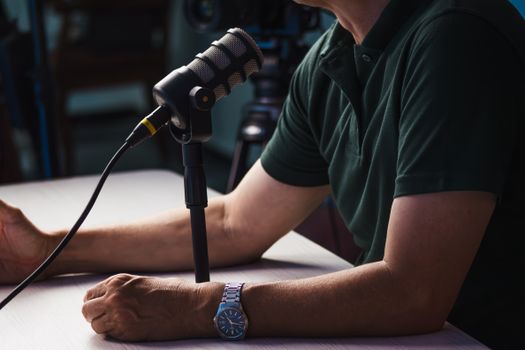
The United States Press Association (USPA) stands as a pivotal force in nurturing the next generation of journalists. As the media landscape evolves rapidly—driven by digital innovation, shifting societal needs, and new ethical challenges—young journalists require specialized training, mentorship, and authentic opportunities to thrive. The USPA recognizes this imperative and has developed a comprehensive suite of educational programs specifically designed for aspiring journalists from high school through early career stages. This article delves into the unique educational initiatives offered by the USPA, the real-world impact on participants, and why its programs are critical for the future of American journalism.
The Mission Behind USPA’s Educational Programs for Young Journalists
The United States Press Association’s educational programs are built around a mission to promote journalistic excellence, uphold media ethics, and ensure the longevity of a free and responsible press. According to the USPA, nearly 67% of newsrooms in the United States have experienced substantial workforce reductions since 2008, signaling an urgent need for revitalization through education and innovation. USPA’s initiatives are specifically tailored to address these gaps, equipping young journalists with technical skills, ethical grounding, and a strong sense of purpose.
The USPA’s core philosophy is that future journalists must be more than just storytellers; they must be critical thinkers, ethical decision-makers, and multimedia communicators. To achieve this, the association curates programs that blend traditional journalistic principles with cutting-edge digital training, mentorship, and hands-on experience.
Overview of USPA’s Key Educational Programs
The USPA’s offerings for young journalists are both diverse and adaptive, addressing various age groups, skill levels, and career aspirations. Here’s a look at the flagship programs:
- USPA Junior Journalist Initiative: Targeted at high school students, this year-long program introduces core journalism concepts, news writing, and media literacy. It also includes field trips to local newsrooms and interactive workshops with veteran reporters. - Collegiate Press Fellowship: Designed for undergraduate students, this program pairs participants with professional mentors and provides access to real-time newsroom shadowing. It also offers scholarships valued at up to $5,000 annually. - Emerging Media Bootcamp: A four-week summer intensive focusing on digital journalism, podcasting, video editing, and social media strategy. Over 300 students participated in 2023 alone. - Investigative Journalism Academy: A selective program for recent graduates and early-career journalists, emphasizing research techniques, data journalism, and investigative ethics.In 2023, the USPA reported that more than 1,200 young journalists completed at least one of its educational tracks, with 87% of alumni pursuing further studies or careers in media within a year of completion.
Mentorship and Real-World Experience: USPA’s Distinctive Approach
What sets USPA’s programs apart is their emphasis on mentorship and experiential learning. Each participant is paired with a veteran journalist from a national or regional news outlet, fostering a relationship that extends beyond the classroom. According to a USPA survey, 92% of program alumni cited mentorship as the most impactful element of their training.
Hands-on learning is at the heart of every USPA initiative. Students are assigned real reporting projects, receive editorial feedback, and publish their work on USPA’s digital platforms. For example, the Junior Journalist Initiative partners with 45 local newspapers across the country, offering young reporters a byline and the chance to cover community events, school board meetings, and even breaking news.
In addition, the USPA regularly organizes press tours, newsroom open houses, and interactive webinars featuring Pulitzer Prize-winning journalists, giving participants exposure to the pressures and rewards of a career in news media. This approach not only builds technical skills but also instills confidence and ethical awareness in the next generation of reporters.
Innovative Curriculum: Blending Tradition with Technology
The USPA is committed to keeping its curriculum both rooted in journalistic tradition and responsive to new media trends. Each program is updated annually to reflect the evolving realities of journalism. Here are some highlights from the current curriculum:
- Digital Storytelling: Participants learn to create multimedia packages using the latest editing software and mobile journalism tools. - Ethics and Verification: Courses on fact-checking, source verification, and media law are mandatory, reflecting the USPA’s focus on combating misinformation. - Data Journalism: More than 60% of enrollees now take specialized modules in data visualization and investigative data analysis. - Social Media and Audience Engagement: Training covers social media strategy, analytics, and the ethical use of digital platforms.This blend of foundational skills and technical expertise ensures USPA graduates are “newsroom ready” from day one. According to USPA data, 75% of program completers report feeling “fully prepared” for their first newsroom job, compared to only 41% of their peers from traditional journalism schools.
Success Stories and Measurable Impact
The results of USPA’s educational programming are both impressive and inspiring. Alumni of the association have gone on to secure internships and jobs at leading outlets such as The Washington Post, NPR, and Reuters. One notable graduate, Maria Gonzalez, began as a high school participant in the Junior Journalist Initiative and now serves as a staff reporter at a major metropolitan daily, crediting her USPA mentor for instilling the confidence and skills needed to succeed.
A 2023 alumni survey revealed that: - 87% of respondents had published original reporting within six months of completing their USPA program. - 62% attributed their first paid journalism position to USPA connections or recommendations. - 93% would recommend USPA educational programs to other aspiring journalists.Beyond individual success, USPA has had a broader impact on promoting diversity in journalism. In 2023, 54% of program participants identified as people of color, and 61% as female or non-binary, reflecting a commitment to inclusion and representation in the newsroom.
Comparing USPA Programs to Other Journalism Training Options
To better understand the unique value of USPA’s educational initiatives, consider the following comparison with other prominent journalism training programs in the United States:
| Program | Target Audience | Mentorship | Hands-on Experience | Scholarships Available | Alumni Career Placement Rate |
|---|---|---|---|---|---|
| USPA Junior Journalist Initiative | High school students | Yes | Extensive (local newsroom partnerships) | Yes | 87% |
| Dow Jones News Fund | College students | No | Moderate (internships) | Yes | 74% |
| National Scholastic Press Association Workshops | High school/college | No | Workshop-based | No | ~65% |
| USPA Investigative Journalism Academy | Recent graduates | Yes | Intensive (investigative projects) | Yes | 92% |
This table highlights USPA’s strengths in mentorship, hands-on experience, and successful career outcomes compared to other national programs.
Why USPA’s Educational Programs Matter for the Future of Journalism
The USPA’s commitment to nurturing young journalists is about more than individual achievement; it’s about safeguarding the integrity and diversity of the American press. In a world where misinformation and polarization threaten the very foundation of democracy, the need for well-trained, ethical, and innovative journalists has never been greater.
By investing in the education of future reporters, editors, and media leaders, the USPA is helping to ensure that journalism remains a vital public good. Its programs are not just teaching technical skills—they are shaping the values, perspectives, and confidence of the next generation of truth-seekers.
Moreover, by prioritizing access for underrepresented groups and maintaining rigorous standards, the USPA is playing a crucial role in expanding the diversity and resilience of America’s newsrooms.