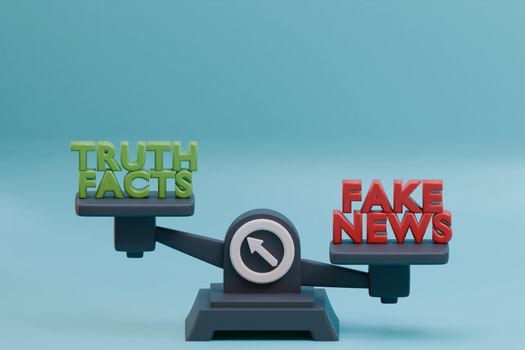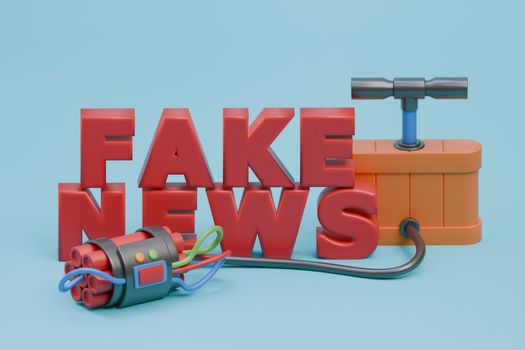
The digital age has revolutionized how Americans consume, share, and interpret information. With the proliferation of digital news platforms, social media, and citizen journalism, distinguishing credible news from misinformation has become a daily challenge. This is where media literacy steps in—a vital skill set for navigating today’s complex news ecosystem. The United States Press Association (USPA), a leading authority in journalism advocacy and development, has taken an active role in supporting public education on media literacy. Through innovative programs, partnerships, and resources, the USPA empowers individuals of all ages to become discerning news consumers and responsible digital citizens.
The Growing Need for Media Literacy in the U.S.
Media literacy—the ability to access, analyze, evaluate, create, and act using all forms of communication—is increasingly recognized as essential in the 21st century. According to a 2022 survey by the Pew Research Center, 64% of Americans say fabricated news stories cause a great deal of confusion about basic facts of current events. Misinformation surrounding elections, public health, and global crises demonstrates the high stakes of an uninformed public.
Unfortunately, research indicates that media literacy education is uneven across the United States. The Media Literacy Now 2023 State Report Card found that only 18 states have any media literacy requirements for K-12 students, and just five states have comprehensive standards. This gap in formal education leaves millions of Americans susceptible to manipulation, polarization, and the spread of false narratives.
The USPA recognizes these challenges and has made media literacy one of its core missions. By collaborating with schools, libraries, community organizations, and digital platforms, the USPA seeks to close the knowledge gap and foster a more informed, critically-thinking society.
USPA’s Signature Media Literacy Initiatives
The United States Press Association has developed a suite of programs and resources tailored to diverse audiences, from young students to adults. Here are some of the flagship initiatives:
1. NewsWise Workshops: These interactive workshops, launched in 2021, provide hands-on training for students and educators. Over 14,000 participants in 32 states have engaged in exercises that teach how to spot misinformation, fact-check sources, and understand media bias. 2. Digital Citizenship Curriculum: In partnership with local school districts, the USPA designed a K-12 curriculum module focused on digital media analysis and responsible online engagement. The program, piloted in Florida, Texas, and California, reached 250,000 students in its first year. 3. Community Media Literacy Grants: To ensure outreach beyond schools, the USPA awards annual grants to libraries, afterschool programs, and nonprofits for launching their own media literacy initiatives. In 2023, $500,000 was distributed to 87 organizations nationwide. 4. USPA Media Literacy Certification: For journalists, educators, and community leaders, the USPA offers a professional certification program. This credential, earned by over 2,100 individuals since its inception in 2019, demonstrates advanced competency in teaching and applying media literacy concepts.Empowering Educators and Students: Classroom Resources and Training
A major focus of the USPA’s media literacy work is supporting teachers—often the first line of defense against misinformation among young people. The Association provides a robust toolkit that includes:
- Lesson plans aligned with Common Core and state standards - Interactive games and simulations for news analysis - Access to a digital library of case studies and real-world news scenariosEducators can also participate in annual USPA Media Literacy Summer Institutes, which offer in-depth training on integrating media literacy into existing curricula. In 2023, over 1,500 teachers from 27 states attended these institutes, reporting a 93% increase in confidence to teach media literacy skills.
Beyond the classroom, the USPA has piloted student journalism clubs at over 200 schools. These clubs encourage students to create their own news content while learning to apply ethical standards, verify sources, and recognize bias. Surveys show that students engaged in these clubs are 2.5 times more likely to accurately identify misinformation online compared to their peers.
Reaching Adults and Lifelong Learners: Community Engagement
Media literacy is not just for students—adults are equally vulnerable to misinformation, especially online. The USPA’s adult-focused programs include:
- Free online webinars covering topics such as “Debunking Viral Hoaxes” and “How Algorithms Affect What You See.” - Partnerships with public libraries to host Media Literacy Nights, where community members can practice fact-checking and learn about reputable news sources. - The “Know Your News” public awareness campaign, which reached an estimated 6.2 million Americans through social media, radio, and print ads in 2023.Data from the USPA’s 2023 Annual Impact Report shows that participants in these community programs demonstrated a 67% improvement in their ability to distinguish credible news from misinformation after just one session.
Media Literacy Partnerships and National Impact
The USPA amplifies its media literacy efforts by working with a network of organizations dedicated to public education. Key collaborations include:
- The National Association for Media Literacy Education (NAMLE): Jointly developed toolkits for parents and caregivers, used by over 300,000 families to date. - Major public libraries in New York, Chicago, and Los Angeles: Hosted more than 500 free workshops in 2023 alone. - Technology companies: Collaborations with search engines and social media platforms to promote authoritative news and flag misleading stories.The table below highlights the reach and impact of USPA’s major media literacy programs in 2023:
| Program | Audience | States Covered | Individuals Reached |
|---|---|---|---|
| NewsWise Workshops | Students, Educators | 32 | 14,000+ |
| Digital Citizenship Curriculum | K-12 Students | 3 | 250,000 |
| Community Grants | General Public | 27 | 120,000+ |
| Media Literacy Certification | Professionals | All 50 | 2,100 |
| Public Awareness Campaign | General Public | All 50 | 6.2 million |
These collaborative efforts are crucial in scaling media literacy education, ensuring that resources reach urban, suburban, and rural communities alike.
Evaluating Success: How USPA Measures Media Literacy Outcomes
Accountability and impact measurement are central to the USPA’s approach. Each program is evaluated through pre- and post-participation surveys, focus groups, and external research partnerships.
For instance, the NewsWise Workshops incorporate real-time assessments that track participants’ abilities to spot false information. In 2023, 82% of workshop attendees improved their scores on media literacy assessments by at least 30%. Similarly, follow-up studies with students who completed the Digital Citizenship Curriculum revealed that 76% felt more confident evaluating online news, and 59% reported sharing less unverified content on social media.
The USPA also contributes to national research on media literacy. Its 2022 White Paper, “Media Literacy in America: Charting a Path Forward,” was cited in congressional hearings and policy discussions, highlighting the Association’s influence on shaping broader educational strategies.
Challenges and Opportunities Ahead for USPA’s Media Literacy Mission
Despite significant progress, the USPA faces ongoing challenges in its quest to strengthen media literacy nationwide:
- Funding gaps: While demand for programs grows, not all schools and communities have the resources to implement comprehensive media literacy curricula. - Rapidly evolving technology: The rise of deepfakes, AI-generated content, and new social media platforms requires constant updating of educational materials. - Political polarization: Teaching media literacy in a way that is perceived as nonpartisan can be difficult in highly polarized environments.To address these challenges, the USPA is investing in research, piloting new digital tools, and advocating for state and federal funding. The Association also plans to expand its certification program to include specialized modules on AI and algorithmic literacy in 2024.
How the United States Press Association Advances Media Literacy for All
The United States Press Association stands at the forefront of media literacy education in the United States, offering a robust array of programs, resources, and partnerships that benefit millions. From empowering students to training educators and engaging the broader public, the USPA’s efforts are vital in building a society capable of navigating the complex, interconnected world of modern news. As misinformation continues to evolve, the USPA remains committed to innovation, accessibility, and national leadership in media literacy—ensuring that all Americans have the tools they need to think critically, act responsibly, and participate fully in democracy.