The Impact of Social Media on Traditional Journalism Standards According to the United States Press Association
Social media has fundamentally transformed the landscape of journalism in the United States and around the world. No longer confined to newspapers, radio, or television broadcasts, news now flows instantly across platforms like Twitter, Facebook, Instagram, and TikTok. While this democratization of information has brought unprecedented connectivity and access, it has also challenged the very core of traditional journalism standards—accuracy, ethics, verification, and public trust. The United States Press Association (USPA), a leading professional body in American journalism, has been at the forefront of examining and responding to these rapid changes. This article explores how social media has impacted traditional journalism standards, what the USPA says about these shifts, and how the industry is adapting in real time.
How Social Media Has Changed the News Cycle
The speed and reach of social media have revolutionized the way news is produced and consumed. According to a 2023 Pew Research Center survey, 50% of U.S. adults now get news at least sometimes from social media, with 31% citing Facebook as their main news source. This shift has compressed the traditional news cycle—stories that once took hours or days to break now surface instantly as events unfold.
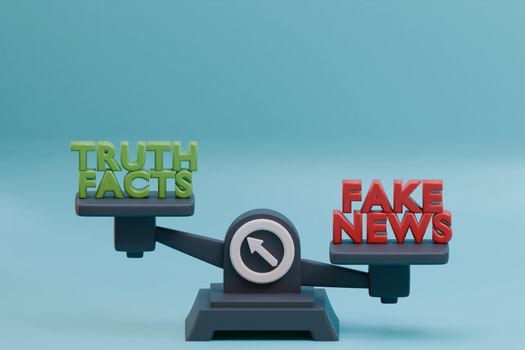
The United States Press Association notes that while social media enables rapid dissemination, it often comes at the expense of thorough fact-checking and editorial oversight. Journalists face intense pressure to publish quickly, sometimes relying on unverified sources, live tweets, or viral videos. This immediacy can lead to inaccuracies, rumors, and even deliberate misinformation spreading before corrections can be issued.
For example, during the Boston Marathon bombing in 2013, false information and misidentifications circulated widely on Twitter and Reddit before official sources could verify facts. The USPA highlights this case as a cautionary tale: speed should never eclipse accuracy in journalism.
Shifting Ethical Standards in the Digital Age
Traditional journalism is guided by a code of ethics emphasizing truthfulness, fairness, and accountability. However, the rise of social media has blurred the lines between reporters, citizen journalists, and the general public. Anyone with a smartphone can now broadcast breaking news, but not everyone shares the same ethical commitments.
The USPA has raised concerns about the erosion of these standards. In its 2022 report, the Association cited a notable increase in ethical breaches related to social media, including:
- Publishing unverified information: In 2021, nearly 38% of U.S. newsrooms reported at least one incident where social media rumors were published as news. - Invasion of privacy: Photos and videos are now shared instantly, often without consent of the subjects. - Conflicts of interest: Journalists’ personal opinions or affiliations can be exposed through their social media activity, undermining perceived impartiality.The USPA strongly encourages news organizations to update their codes of conduct to include social media guidelines, emphasizing accuracy, transparency, and respect for privacy. One USPA-endorsed best practice is requiring journalists to clearly distinguish between personal opinions and news content on their social profiles.
The Challenge of Verification in the Social Media Era
Verification—ensuring that facts are accurate and sources are reliable—remains a cornerstone of credible journalism. Yet, social media has complicated the verification process. Photos, videos, and posts can be manipulated or taken out of context, making it difficult to determine authenticity.
A 2022 Reuters Institute Digital News Report revealed that 54% of journalists identified verifying information on social media as a major challenge. The USPA has echoed these concerns, pointing to a surge in the use of deepfakes and AI-generated content. The Association recommends the following strategies to bolster verification:
- Cross-referencing sources: Journalists should corroborate social media content with official statements, eyewitness accounts, and reputable news agencies. - Digital forensics tools: Software such as FotoForensics and InVID can help verify the origin and authenticity of images and videos. - Transparency with audiences: Clearly labeling unverified information or corrections helps maintain trust.To illustrate the differences in verification standards, consider the following comparison:
| Standard | Traditional Journalism | Social Media-Driven Reporting |
|---|---|---|
| Source Verification | Mandatory, with multiple checks | Often limited or absent |
| Editorial Oversight | Layers of editors review content | Individual discretion, minimal oversight |
| Speed of Publication | Slower, allows for fact-checking | Instant, risk of inaccuracy |
| Corrections Policy | Formal corrections and retractions | Informal, often overlooked |
Impact on Public Trust and Perception
One of the most profound impacts of social media on journalism is its effect on public trust. According to the 2023 Edelman Trust Barometer, trust in traditional media in the U.S. has declined to 43%, while trust in social media as a news source lags even further at 24%. The USPA attributes this erosion of trust to the proliferation of misinformation, echo chambers, and the blurring of lines between opinion and fact.
Social media algorithms prioritize engagement over accuracy, often amplifying sensational or polarizing content. This can create filter bubbles, where users are exposed only to information that reinforces their beliefs. The USPA warns that these trends threaten both the credibility of news organizations and the informed functioning of democracy.
To counteract this, the USPA advocates for greater transparency in reporting, robust fact-checking, and public media literacy education. Newsrooms are encouraged to engage directly with audiences on social platforms, answering questions, explaining reporting processes, and correcting errors in real time.
USPA Initiatives and Recommendations for Navigating the Social Media Era
Recognizing the seismic shift brought on by social media, the United States Press Association has launched several initiatives to help journalists and news organizations adapt without compromising standards. These include:
- Training programs: In 2022, the USPA trained over 4,000 journalists in digital verification techniques, social media ethics, and audience engagement. - Updated ethical guidelines: The USPA’s Social Media Ethics Toolkit, released in early 2023, provides actionable policies for managing personal and professional boundaries online. - Advocacy for platform accountability: The Association has called for greater transparency from social media companies regarding algorithmic decision-making and content moderation. - Collaborative fact-checking: The USPA supports partnerships between newsrooms, universities, and fact-checking organizations to debunk viral misinformation.The Association also encourages news outlets to diversify their social media presence, ensuring that breaking news, analysis, and corrections are disseminated across multiple platforms to reach a broad audience.
Looking Ahead: The Future of Journalism Standards in a Social Media World
As social media continues to evolve, so too must journalism standards. The USPA is committed to defending the core values of journalism—accuracy, fairness, independence, and public service—while embracing the opportunities of digital platforms. This means not only updating ethical codes and verification processes but also reimagining how journalists engage with the public.
Emerging technologies like artificial intelligence and blockchain may offer new tools for verification and transparency. Meanwhile, collaborations between newsrooms, educators, and technology companies will be essential to rebuilding trust and ensuring the resilience of journalism in the digital age.
Ultimately, the USPA believes the future of journalism depends on the profession’s ability to adapt without compromising its foundational principles. Social media is here to stay, but so too are the standards that make journalism an essential pillar of democracy.