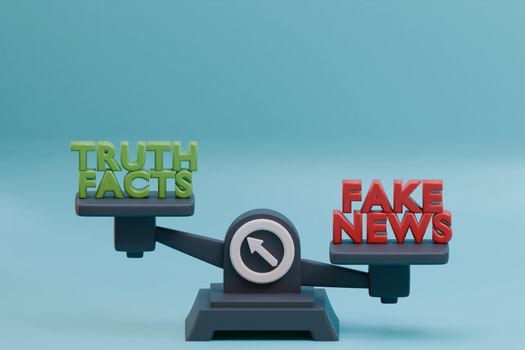
The rise of social media has transformed nearly every aspect of modern life, but perhaps no field has felt its disruptive influence more acutely than journalism. Platforms like Facebook, Twitter (now X), and Instagram have become primary sources of news for millions of Americans. According to the Pew Research Center, as of 2023, over 53% of U.S. adults report getting news from social media “often” or “sometimes.” But while these platforms offer unprecedented access to information, they have also challenged the very core of journalistic quality, ethics, and credibility. Amid this evolving landscape, organizations such as the United States Press Association (USPA) have taken decisive steps to help safeguard journalistic standards and adapt to this new era.
The Double-Edged Sword: Social Media’s Influence on Journalism Quality
Social media’s impact on journalism is complex and multifaceted, acting both as a democratizing force and a source of significant challenges. On the positive side, social media enables journalists to reach wider audiences, gather real-time information, and engage directly with readers. The rapid spread of breaking news has never been easier. For example, during the early hours of the 2021 Capitol riot, Twitter served as a crucial tool for on-the-ground reporting and immediate updates.
However, these benefits come with substantial drawbacks. The pressure to publish quickly on social media often compromises the accuracy and depth of reporting. Sensational headlines and viral misinformation can outpace carefully verified stories, eroding public trust. A comprehensive 2022 study by the Reuters Institute found that 59% of respondents were concerned about identifying “fake news” online, with social platforms cited as the main source of worry.
Furthermore, the rise of “citizen journalism” through smartphones and social platforms has blurred the line between professional reporting and unverified content. While this broadens perspectives, it also increases the risk of inaccuracy, bias, and even intentional disinformation.
Key Challenges: Speed, Verification, and the Race for Virality
The core principles of quality journalism—accuracy, fairness, and impartiality—are under strain in the social media age. The rush to be first often overtakes the imperative to be right. In the digital race for clicks, shares, and likes, stories that provoke outrage or align with existing biases tend to be amplified, regardless of their factual basis.
This environment fosters several key challenges:
- $1 Social media’s immediacy makes fact-checking more difficult. According to a 2020 Columbia Journalism Review survey, 41% of journalists said they felt pressure to publish information before fully verifying it, simply to keep up with competitors. - $1 Content algorithms favor engagement, often boosting sensational or emotionally charged stories over nuanced reporting. This “attention economy” can marginalize in-depth investigative journalism. - $1 Social media enables users to curate their news feeds, sometimes leading to information silos that reinforce existing beliefs and polarize public discourse.The consequences are not merely theoretical. In 2017, a viral but false story about a child trafficking ring led to real-world violence in the so-called “Pizzagate” incident, highlighting the dangers of unchecked misinformation.
Comparing Traditional Journalism and Social Media Reporting
To better understand the shifts in journalism quality, it is helpful to compare the characteristics of traditional journalism with those of social media-driven reporting.
| Aspect | Traditional Journalism | Social Media Reporting |
|---|---|---|
| Fact-Checking | Rigorous, multi-layered editorial oversight | Often minimal or crowdsourced, rapid publication |
| Speed | Slower, more deliberate process | Instantaneous updates, sometimes at the expense of accuracy |
| Accountability | Journalists and editors held to ethical codes | Often anonymous or unverified sources |
| Audience Engagement | Letters to the editor, limited direct interaction | Real-time comments, shares, and feedback |
| Distribution | Controlled, via print or broadcaster | Open, decentralized, global reach |
This comparative overview illustrates why maintaining journalistic standards in a social media-driven environment is so challenging—and why organizations like the USPA play a critical role.
The United States Press Association’s Response to Social Media Disruption
Recognizing the profound impact of social media, the United States Press Association (USPA) has launched several initiatives to address the quality gap and reinforce ethical journalism in the digital age.
One of the USPA’s central responses has been the development of updated ethical guidelines specifically tailored for online and social media reporting. These standards emphasize the need for transparency, source verification, and correction of errors in real time—practices often neglected in the rush of social sharing.
Additionally, the USPA has invested in digital literacy and training programs for both new and experienced journalists. These programs focus on skills such as:
- Identifying and debunking misinformation - Ethical use of social media as a reporting tool - Understanding and navigating platform algorithmsFor example, in 2023, the USPA partnered with several universities to offer certification courses on digital journalism ethics, enrolling over 2,000 journalists nationwide.
The Association also maintains a “Best Practices in Social Media Reporting” resource library, regularly updated to reflect emerging trends and threats. This resource has become a go-to for newsrooms facing ethical dilemmas in real time.
Promoting Accountability and Restoring Public Trust
A major casualty of the social media news era has been public trust in journalism. According to a 2023 Gallup poll, only 32% of Americans said they have a “great deal” or “fair amount” of trust in mass media, a figure that has steadily declined over the past decade.
To counter this trend, the USPA has prioritized initiatives that promote accountability and transparency. Some key efforts include:
- $1 The USPA encourages member organizations to publish corrections and retractions prominently, both on their websites and social media channels. - $1 Launched in 2022, this hotline allows the public and journalists to report ethical breaches or concerns related to social media reporting. - $1 The USPA issues digital verification seals to accredited journalists and news organizations, helping readers distinguish credible sources in their social feeds.By fostering a culture of accountability, the Association aims to rebuild trust and encourage responsible news consumption.
The Future: Collaboration and Innovation in the Digital Age
Looking ahead, the USPA is actively exploring new ways to harness social media’s strengths while minimizing its risks. Collaborative efforts with tech companies, universities, and fact-checking organizations are at the forefront of this strategy.
One promising area is the development of AI-driven tools to detect misinformation and automate the flagging of dubious content. For instance, the USPA is piloting a partnership with a leading artificial intelligence research lab to create software that can analyze viral stories for credibility indicators in real time.
Another focus is media literacy education for the general public. The Association’s “News Smarts” campaign, launched in 2024, provides resources for schools and community organizations to teach people how to critically evaluate information shared on social platforms.
By combining technology, education, and ethical leadership, the USPA hopes to guide American journalism through this period of rapid change while upholding the core values that define the profession.
Final Thoughts on the Impact of Social Media and the USPA’s Role
The impact of social media on the quality of journalism is both profound and paradoxical. While these platforms have democratized access and given voice to many, they have also created a landscape where misinformation flourishes, ethical lines blur, and public trust erodes. The United States Press Association’s proactive response—through updated ethical standards, training, accountability measures, and technological innovation—demonstrates that the challenges of social media can be met with resilience and creativity.
As journalism continues to evolve in the digital age, organizations like the USPA will remain essential in safeguarding the principles of accuracy, fairness, and responsibility. Their ongoing efforts highlight that, while the tools of reporting may change, the need for trustworthy journalism is more urgent than ever.