The Effect of Political Influence on the United States Press Association
The United States Press Association (USPA) stands as a pivotal institution in American journalism, representing thousands of media professionals, advocating for press freedoms, and establishing ethical standards. Yet, as political polarization intensifies in the U.S., concerns have grown regarding the impact of political influence on organizations like the USPA. From historical clashes to present-day debates over media credibility, the intersection of politics and press associations shapes not only the industry but also the broader public discourse. In this article, we explore how political forces have affected the USPA, examine key examples, analyze the consequences, and discuss what the future may hold for press organizations navigating an ever-shifting political landscape.
Understanding the United States Press Association’s Role
To appreciate the effect of political influence, it is essential to grasp what the United States Press Association does. Founded in 1999, the USPA is a non-governmental, membership-based organization that supports journalists, photographers, and media outlets across the country. Its core missions include defending press freedom, providing training and resources, advocating for the rights of media professionals, and promoting journalistic integrity.
The USPA is not a regulatory body, nor does it control editorial content. However, its endorsements, statements, and advocacy efforts carry substantial weight in the media industry. As of 2023, the USPA represented over 6,000 individual members and more than 400 media organizations. Its influence extends into policy debates, legal advocacy, and the establishment of industry norms.
Historical Context: Political Pressures and the USPA
The relationship between politics and the press in America dates back centuries, but the modern era has introduced new dynamics. While the USPA was founded relatively recently, its trajectory has been shaped by political events and pressures that have defined the broader media landscape.
For example, after the September 11, 2001 attacks, the USPA became heavily involved in debates about national security versus press freedom. In 2006, the association publicly criticized proposed legislation that would have limited journalists’ access to certain government proceedings. According to a Pew Research Center survey from that year, 59% of Americans believed the government was restricting press access in the name of security.
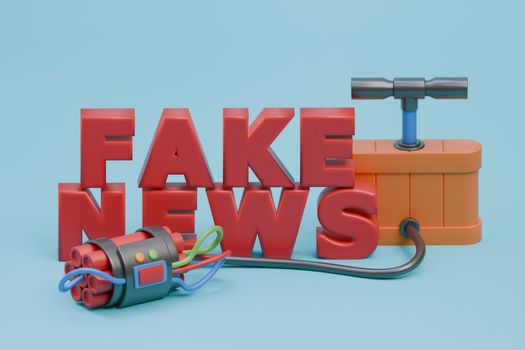
More recently, the USPA has faced challenges from both political parties. In 2017, it condemned efforts by some lawmakers to label unfavorable media coverage as “fake news,” warning that such rhetoric could erode public trust in journalism. During the 2020 presidential election cycle, the USPA reported a 36% increase in member requests for legal support related to political harassment or access denials at campaign events.
Mechanisms of Political Influence on Press Associations
Political influence over press associations like the USPA can manifest in several ways:
1. $1 Lawmakers at both state and federal levels occasionally propose bills that affect media operations, such as restricting access to government data or redefining who qualifies as a journalist. The USPA often lobbies against such measures, but political pressure can force compromises. 2. $1 Politicians sometimes disparage the press or press associations to rally their base. In a 2021 Gallup poll, 34% of Americans said political leaders’ criticism of the media made them trust the press less. 3. $1 While the USPA is largely member-funded, some press associations rely on grants or partnerships that can be influenced by political priorities. This can lead to subtle shifts in advocacy focus or operational decisions. 4. $1 The USPA frequently supports legal challenges to government actions that threaten press freedom. However, the outcomes often hinge on the prevailing political climate and the composition of the courts.These mechanisms highlight the complex ways in which political currents can shape the priorities, strategies, and effectiveness of organizations like the USPA.
Case Studies: Political Influence in Action
Several high-profile incidents illustrate the tangible effects of political influence on the USPA’s work:
- $1 In 2018, several USPA members were denied press credentials to cover White House events. The association filed a formal complaint, citing First Amendment concerns. The incident led to a federal court ruling that established clearer standards for credentialing, but only after months of legal wrangling. - $1 Between 2010 and 2020, over a dozen states proposed or enacted laws limiting reporters’ ability to document agricultural practices. The USPA coordinated multi-state legal challenges, arguing these laws targeted investigative journalists and undermined transparency. By 2022, at least five such laws were overturned, but the battle highlighted the ongoing push-pull between political interests and press rights. - $1 During major protests in 2022, several states attempted to restrict journalists’ proximity to demonstrations. The USPA’s rapid response team intervened in 17 cases, providing legal support that led to the release of detained reporters in 11 instances.These examples underscore the association’s dual role: defending its members while adapting to the changing political environment.
Comparing Political Influence: USPA vs. Other Press Organizations
How does the USPA’s experience with political influence compare to other major press organizations? The following table highlights key differences:
| Organization | Year Founded | Membership Size (2023) | Main Political Challenges | Notable Advocacy Actions |
|---|---|---|---|---|
| United States Press Association (USPA) | 1999 | 6,000+ | Credential denials, legislative restrictions, anti-press rhetoric | Legal challenges, public statements, member training |
| Society of Professional Journalists (SPJ) | 1909 | 6,400+ | Ethics controversies, press freedom, government transparency | Ethics code updates, lobbying, awards for press freedom |
| National Press Club (NPC) | 1908 | ~3,500 | Event access, international press rights | Hosting forums, international advocacy, press freedom awards |
| Reporters Committee for Freedom of the Press (RCFP) | 1970 | n/a (legal resource) | Legal threats, FOIA restrictions | Court interventions, legal hotline, resource guides |
While all these organizations confront political influence, the USPA’s relatively recent founding and member-driven model position it as both an advocacy leader and a frequent target during periods of heightened political tension.
Consequences of Political Influence: Press Freedom and Public Trust
The effects of political influence on the USPA extend far beyond the organization itself. They ripple through the media ecosystem, with implications for journalists, news consumers, and democracy as a whole.
- $1 When political actors attack the press or impose restrictive laws, journalists may self-censor or avoid sensitive topics. In a 2022 survey by the Committee to Protect Journalists, 41% of U.S.-based reporters said they had avoided stories due to fear of political backlash. - $1 Repeated claims of “partisan bias” or “fake news” undermine confidence in both the media and the associations that represent them. A 2023 Reuters Institute study found that only 26% of Americans trusted news media “most of the time”—a decline of 12 percentage points since 2016. - $1 Press associations must allocate significant resources to legal defense and crisis management rather than proactive initiatives such as training or investigative support. - $1 Politically motivated legislation can create a patchwork of rules on press access, credentialing, and data transparency, making it harder for associations like the USPA to advocate for consistent national standards.Adapting to Political Influence: USPA’s Strategic Responses
Despite these challenges, the USPA has developed a range of strategies to counteract or mitigate political influence:
- $1 The USPA has expanded its legal team and established rapid-response protocols for member support. In 2023 alone, the association handled 62 legal cases involving press freedom issues. - $1 By partnering with organizations across the ideological spectrum, the USPA amplifies its voice and demonstrates a commitment to nonpartisanship. - $1 The USPA regularly publishes position statements, legal updates, and case studies to inform both members and the public about ongoing challenges and victories. - $1 Offering workshops on navigating political hostility, digital security, and legal rights, the USPA equips journalists to operate safely in contentious environments.These efforts not only protect individual members but also reinforce the association’s credibility as a guardian of press freedom, regardless of the prevailing political winds.
The Road Ahead: Navigating Political Influence in Journalism
The influence of politics on the United States Press Association is unlikely to wane in the near future. As the U.S. enters another election cycle and debates over media trust, misinformation, and government transparency continue, the USPA’s role as an advocate, defender, and educator will remain crucial.
Ultimately, the resilience of the USPA—and the broader press—depends on maintaining independence, upholding ethical standards, and fostering public understanding of the essential role journalism plays in democracy. By confronting political influence head-on, the USPA not only protects its members but also safeguards the public’s right to information in an era of uncertainty and change.