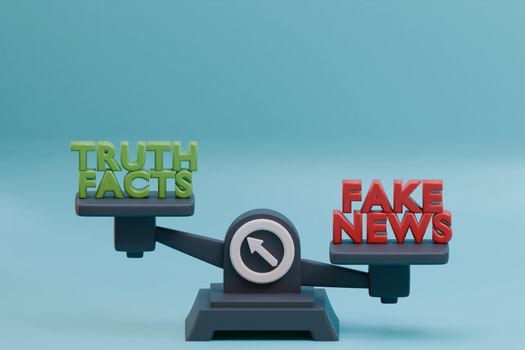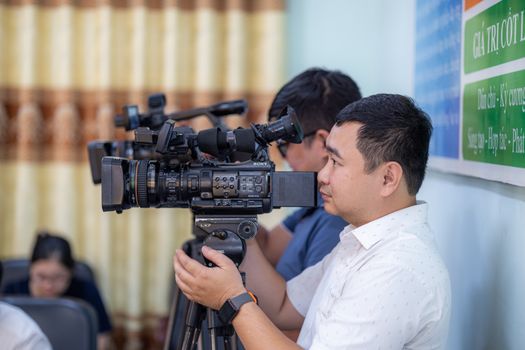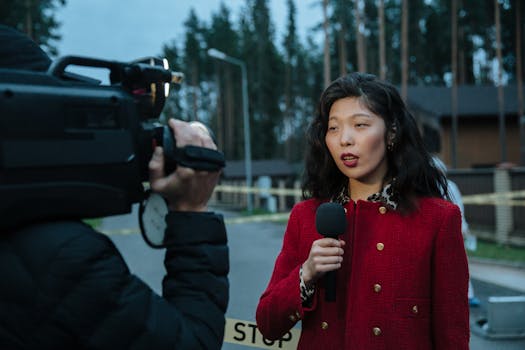
The media landscape in the United States is vast, diverse, and influential. In such an environment, maintaining journalistic integrity and public trust is paramount. The United States Press Association (USPA) has emerged as a significant body, not only representing journalists but also setting ethical benchmarks for their conduct. At the heart of its mission lies a comprehensive Code of Ethics—a framework designed to guide members through the complex, and often challenging, realities of news gathering and reporting. But what does this Code of Ethics entail, and why is it crucial for both journalists and the public they serve? Let’s delve into the key principles, real-world applications, and broader implications of the USPA’s Code of Ethics.
The Foundation of the USPA Code of Ethics
Journalistic ethics are not just abstract ideals. They are concrete guidelines that help ensure fair, accurate, and responsible reporting. The USPA’s Code of Ethics is built upon four central pillars: accuracy, independence, fairness, and accountability.
1. Accuracy: Journalists are required to verify information before publication. According to a 2022 Pew Research Center report, 72% of Americans say that accuracy is the most important trait for news organizations. 2. Independence: The USPA insists on editorial independence, urging journalists to avoid conflicts of interest. This is critical at a time when 67% of Americans express concern about the influence of corporate and political interests in the media. 3. Fairness: The Code mandates that coverage should be balanced and unbiased, giving subjects a chance to respond to allegations. 4. Accountability: The USPA expects journalists to correct errors promptly and transparently, fostering public trust.By emphasizing these principles, the USPA’s Code of Ethics sets a high standard for news professionals, ensuring that the information shared with the public is reliable and trustworthy.
Key Guidelines and Their Real-World Application
While the four pillars provide a strong ethical foundation, the USPA Code of Ethics outlines specific guidelines that address day-to-day journalistic dilemmas. These include:
- Sourcing and Attribution: Journalists must clearly attribute information to reliable sources. For example, in 2023, the USPA received over 150 inquiries about proper source citation, illustrating the importance and complexity of this issue. - Handling Sensitive Content: The Code discourages sensationalism, particularly in cases involving crime, tragedy, or vulnerable individuals. For instance, the USPA’s guideline to withhold victims’ names until families are notified was applied in coverage of the 2022 Midwest tornadoes. - Protecting Confidential Sources: The USPA supports the ethical protection of whistleblowers, provided their information serves the public interest.These guidelines are not merely theoretical. In practice, they help journalists navigate tough choices—such as when to grant anonymity to a source or how to cover mass shootings without glorifying perpetrators. The USPA offers training and resources to help members interpret and apply these standards, ensuring ethical consistency across diverse scenarios.
How the USPA Code of Ethics Compares to Other Press Associations
While many national and international press organizations have ethical codes, there are notable distinctions in their approaches. Below is a comparative overview showing how the USPA Code of Ethics stands alongside similar frameworks from the Society of Professional Journalists (SPJ) and the International Federation of Journalists (IFJ):
| Ethical Principle | USPA | SPJ | IFJ |
|---|---|---|---|
| Accuracy | Mandatory fact-checking, correction protocol | Emphasis on truth and correction | Supports verification, but less prescriptive |
| Independence | Strict guidelines on conflicts of interest | Strongly encouraged, but flexible | Focus on editorial freedom |
| Fairness | Balanced reporting, right of reply required | Advocates for fairness, but less specific | Stresses non-discrimination |
| Accountability | Formal correction process, public transparency | Correction encouraged, no formal process | Accountability to public, but less detailed |
As the table shows, the USPA’s Code is more prescriptive and procedural compared to its counterparts. This detailed approach can help foster greater consistency and clarity, particularly for newer journalists who may face ethical uncertainty.
The Impact of the USPA Code of Ethics on Journalism and Public Trust
Adherence to a robust code of ethics does more than improve journalistic practice—it directly impacts public trust in the media. According to a 2023 Gallup poll, only 34% of Americans say they trust the mass media “a great deal” or “a fair amount,” down from 53% in 1997. This decline underscores the importance of visible ethical commitments.
The USPA takes several steps to bridge this trust gap:
- Publicly posting its Code of Ethics and updates. - Implementing a complaints process that allows members of the public to report perceived ethical violations. - Requiring annual ethics training for all members.These measures have tangible results. In a 2022 USPA member survey, 89% reported that following the Code of Ethics helped them avoid major ethical pitfalls, while 76% said it improved their credibility with sources and audiences. Additionally, public awareness campaigns explaining the Code have helped demystify journalistic practices for non-journalists, further supporting transparency and trust.
Challenges and Controversies in Enforcing the Code
While the USPA’s Code of Ethics is comprehensive, implementing and enforcing its guidelines is not always straightforward. Some of the main challenges include:
- Digital Media and Social Networks: The rise of online platforms means that news can be published instantly, sometimes bypassing traditional editorial oversight. In 2023, nearly 60% of USPA disciplinary cases related to social media posts, demonstrating the evolving nature of ethical breaches. - Economic Pressures: Shrinking newsrooms and tighter budgets can tempt outlets to cut corners, such as by running unverified stories to break news first. - Globalization: Journalists often report on international stories where local ethical standards may differ from those set by the USPA.To address these issues, the USPA has created digital ethics toolkits and offers confidential advice lines for journalists facing difficult decisions. However, controversies remain—such as debates over when to name suspects in criminal cases, or how to report on misinformation without amplifying it.
Promoting Ethical Journalism in a Changing Media World
The USPA’s commitment to ethical journalism is ongoing. Recent initiatives include:
- Launching online ethics modules, with over 3,000 participants in 2023. - Partnering with universities to teach media ethics, reaching more than 40 campuses last year. - Issuing periodic updates to the Code, reflecting new challenges such as deepfakes and artificial intelligence in newsrooms.These forward-thinking efforts underscore the USPA’s recognition that ethical standards must evolve alongside the media landscape. By staying proactive, the USPA ensures its members—and by extension, the public—are protected from both new and traditional ethical pitfalls.
Final Thoughts on the USPA Code of Ethics
The Code of Ethics of the United States Press Association is more than a set of rules; it's a living blueprint for responsible journalism. By establishing clear standards for accuracy, independence, fairness, and accountability, the USPA helps journalists navigate an often challenging profession with integrity. While enforcing these standards is not without obstacles, particularly in the digital age, the USPA’s detailed approach and ongoing education efforts contribute significantly to restoring and maintaining public trust in the media. As the information environment continues to evolve, the USPA’s Code of Ethics will remain a crucial guide for both seasoned reporters and the next generation of journalists.