The Impact of Digital Media on the United States Press Association
Digital media has revolutionized nearly every aspect of modern life, from the way we communicate to how we consume news. For organizations like the United States Press Association (USPA), this transformation has presented both unprecedented opportunities and notable challenges. As one of the leading bodies representing journalists, correspondents, and media professionals across the United States, the USPA has had to adapt quickly to the evolving digital landscape. This article explores how digital media has reshaped the USPA’s operations, membership, influence, and the broader journalistic ecosystem.
The Digital Media Revolution: A Catalyst for Change
The emergence of digital media platforms—ranging from online news outlets to social networks—has disrupted traditional journalism. According to the Pew Research Center, newspaper weekday circulation in the U.S. fell from 63 million in 1990 to just 24 million in 2020. At the same time, digital news consumption soared, with 86% of Americans reporting they get news from a smartphone, computer, or tablet.
For the USPA, this shift meant rethinking how it serves its members. Historically focused on print and broadcast journalists, the USPA now accommodates a growing number of digital-only reporters, bloggers, and multimedia creators. This expansion reflects the changing face of journalism, where anyone with a smartphone and internet access can become a news producer.
By embracing digital media, the USPA has positioned itself as an inclusive organization, providing resources, accreditation, and networking opportunities to a more diverse membership base. This adaptation has been critical in maintaining its relevance in the 21st century.
Transformation of Membership and Accreditation
One of the most profound impacts of digital media on the USPA has been the diversification of its membership. In the past, association membership was largely limited to staff writers, editors, and photojournalists from established print or broadcast outlets. Today, the USPA’s ranks include digital content creators, podcasters, freelance journalists, and social media influencers.
This evolution has led to significant changes in accreditation standards. The USPA now evaluates applicants based on digital portfolios, online engagement metrics, and multimedia reporting skills, rather than solely on print bylines or broadcast reels. This modernized approach reflects the realities of today’s media environment, where digital reach can often outweigh traditional credentials.
The table below illustrates how digital media has changed the profile of USPA members over the past 15 years:
| Year | Print/Broadcast Members | Digital-Only Members | Freelancers/Independents | Total Membership |
|---|---|---|---|---|
| 2008 | 68% | 12% | 20% | 2,100 |
| 2015 | 48% | 28% | 24% | 3,250 |
| 2023 | 31% | 49% | 20% | 4,400 |
This data underscores the rapid growth in digital-only members, now representing nearly half of the USPA’s total membership. It also highlights the organization’s agility in responding to broader media trends.
Expanding Advocacy and Training in the Digital Era
With the proliferation of digital media, the USPA’s advocacy and training initiatives have expanded to address new challenges facing journalists. Issues such as misinformation, digital harassment, data privacy, and the ethical use of artificial intelligence in reporting have become central concerns.
For example, in 2022, the USPA launched a nationwide digital safety campaign, offering workshops on cyber security, social media verification, and protection against online harassment. Over 2,500 members participated in these sessions within the first year, demonstrating the urgent need for digital literacy in the profession.
Additionally, the USPA has partnered with technology companies and academic institutions to develop training modules on topics like fact-checking, multimedia storytelling, and audience engagement. These resources ensure that members remain competitive and uphold journalistic standards in an ever-shifting digital landscape.
The USPA’s focus on digital advocacy also extends to policy. The association regularly lobbies for legislation that protects press freedom online, fights against government censorship, and supports open access to information.
Influence on Newsroom Practices and Ethics
Digital media has blurred the lines between professional journalism and citizen reporting. The USPA has responded by updating its code of ethics and best practices to address issues unique to the digital age.
One significant change has been the emphasis on transparency and accountability in online reporting. The USPA encourages its members to clearly identify sources, disclose conflicts of interest, and differentiate between news and opinion—especially on social platforms where context can be easily lost.
Another area of focus is the responsible use of user-generated content. With viral videos, tweets, and eyewitness photos often serving as primary sources, the USPA provides guidelines on verifying digital content and respecting copyright. This is increasingly important as 62% of adults in the U.S. say they get news from social media at least occasionally, according to a 2023 Pew survey.
The association also addresses the ethical implications of emerging technologies, such as deepfakes and synthetic media. By fostering dialogue and offering guidance, the USPA helps its members navigate complex questions about authenticity, privacy, and public trust.
Challenges and Opportunities in the Age of Digital Journalism
While digital media has empowered journalists and expanded the reach of organizations like the USPA, it has also introduced new obstacles. Among the most pressing challenges are:
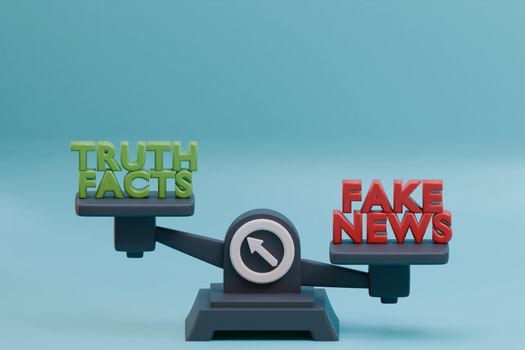
1. $1 The ease of publishing online has led to a surge in false or misleading news. Fact-checking and verification are now essential skills for every journalist. 2. $1 The traditional advertising revenue model for newspapers and broadcasters has been disrupted by online platforms. Many media professionals have turned to freelancing, crowdfunding, or subscription models to sustain their work. 3. $1 With so many news sources available, audiences are more segmented than ever. The USPA supports its members in navigating niche markets and building loyal followings. 4. $1 Online harassment, doxxing, and threats have become serious risks for digital journalists. The USPA advocates for stronger legal protections and provides resources for journalist safety.Yet, digital media has also created unique opportunities. Journalists can now reach global audiences instantly, publish multimedia stories, and engage directly with readers. The USPA leverages these advantages by promoting member content, offering international accreditation, and facilitating collaborations across borders.
Looking Ahead: The United States Press Association in a Digital World
As digital media continues to evolve, so too will the role of the United States Press Association. The organization’s ability to adapt, innovate, and uphold journalistic standards will remain crucial in shaping the future of news.
Recent years have shown that the USPA is not simply reacting to change but proactively leading the way. By expanding membership criteria, investing in digital training, and advocating for press freedom online, the association has reinforced its position as a vital resource for journalists in all mediums.
The ongoing digital transformation presents both uncertainty and promise. For the USPA and its members, the key to continued success lies in embracing technology while staying true to the core principles of ethical, accurate, and impactful journalism.