In an era where digital transformation has rewritten the rules of journalism, the United States Press Association (USPA) stands at a crucial crossroads. For over two decades, the USPA has provided critical accreditation, support, and resources to journalists and media professionals across America. But as newsrooms shift from print to pixels, and as social media and artificial intelligence redefine both the speed and the source of information, the USPA faces both new challenges and exciting opportunities. The future of the USPA, and its ability to serve its growing, increasingly digital membership, will not only influence American journalism but could set standards for press associations worldwide.
The Digital Shift: From Print Legacy to Pixel Leadership
The USPA was founded in 1999, during the twilight of print media's dominance. At that time, over 56 million newspapers were circulated daily in the United States. Fast-forward to 2024, and digital news consumption has eclipsed print: Pew Research Center found in 2023 that 86% of Americans now get news from a digital device, while daily print newspaper circulation has dropped below 24 million.
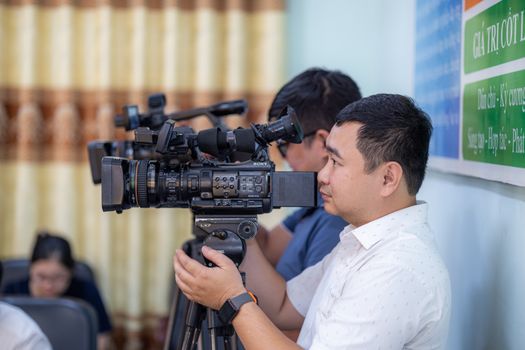
This seismic shift means the USPA must now prioritize digital-first strategies. Accreditation, once focused on traditional journalists, now extends to digital reporters, podcasters, bloggers, and multimedia creators. The association’s press credentials, once a badge for print journalists, are increasingly vital for those covering digital events, virtual press conferences, and even live-streamed breaking news.
The future of the USPA will rest on its ability to adapt its services, resources, and member support to reflect this new reality. This includes tech training, digital legal resources, and advanced security protocols for journalists facing new threats online.
Expanding Membership: Embracing the New Faces of Journalism
One of the most significant changes for the USPA is the broadening definition of what it means to be a journalist. In 2000, fewer than 10% of USPA members identified as digital content creators. By 2023, that number had soared to over 60%, reflecting the rise of independent media, freelance reporting, and influencer journalism.
This expansion poses both opportunities and challenges. The USPA must ensure its standards of integrity and ethics are upheld, even as the "press" now includes bloggers, YouTubers, and TikTokers. At the same time, the association has an unprecedented opportunity to foster community and professional development across these diverse groups.
For example, the USPA now offers specialized digital journalism workshops, helping members navigate copyright law, SEO best practices, and audience engagement analytics. By investing in these resources, the USPA aims to help new-media journalists achieve the same credibility and professional standing as their traditional counterparts.
Navigating Technology: AI, Cybersecurity, and the Next-Gen Newsroom
With the rise of artificial intelligence and machine learning, newsrooms are changing at breakneck speed. A 2023 survey by Reuters Institute found that 65% of news organizations worldwide now use AI tools for story discovery, fact-checking, or audience targeting.
The USPA is responding by piloting programs that educate members on ethical AI use and digital risk. For instance, online workshops in 2024 focus on identifying deepfakes, protecting sources in encrypted environments, and using automation responsibly.
Cybersecurity is also top-of-mind. Journalists are increasingly targets of phishing, hacking, and online harassment. A 2022 report from the Committee to Protect Journalists noted a 38% year-over-year increase in cyberattacks against American news professionals. The USPA now offers cyber protection guides and emergency response resources, ensuring members can report safely in a digital-first world.
Building Trust in a Misinformation Age
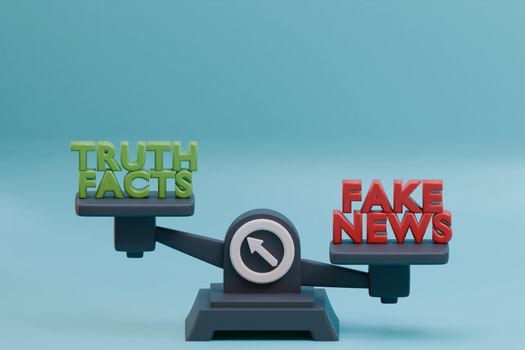
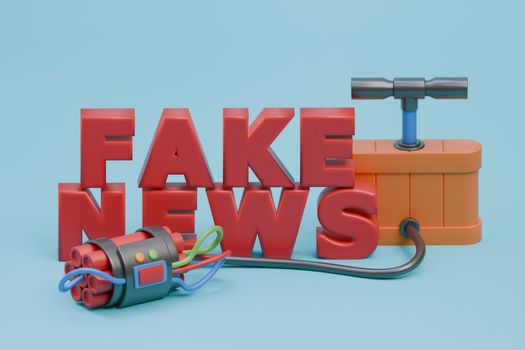
The digital era has democratized information, but it has also unleashed a flood of misinformation. According to the Knight Foundation, 74% of Americans in 2023 said they are concerned about the spread of fake news online. The USPA’s role as a gatekeeper of press credentials and as a certifier of professional journalists is more important than ever.
To address this, the USPA is investing in transparency tools, such as blockchain verification for news content and digital watermarking for photos and videos. These technologies allow audiences and platforms to verify the authenticity of news sources, reducing the spread of doctored or misleading content.
Moreover, the USPA’s Code of Ethics, updated in 2023, specifically addresses social media conduct, conflicts of interest in sponsored content, and the responsibility to correct errors in digital reporting. By setting and enforcing these high standards, the USPA helps restore faith in credible journalism.
Advocacy and Press Freedom in the Digital Sphere
While the USPA has always advocated for First Amendment rights, digital journalism introduces new battles. Issues like net neutrality, online censorship, and platform de-monetization increasingly impact how journalists reach the public.
The USPA regularly partners with technology companies, policymakers, and civil liberties organizations to champion press freedom in the digital realm. In 2022, for example, the USPA successfully lobbied for reforms in Section 230 of the Communications Decency Act, ensuring that independent journalists retain the right to publish on major platforms without undue liability.
Below is a comparative table summarizing how the USPA’s focus has shifted over the past 20 years in response to digital evolution:
| USPA Service/Focus | 2000 | 2024 (Projected) |
|---|---|---|
| Member Demographics | Primarily print & broadcast journalists | 60%+ digital creators, podcasters, multimedia journalists |
| Press Credential Usage | Mainly for print/broadcast events | Digital events, virtual pressers, online media access |
| Training Resources | Writing, investigative reporting | SEO, AI journalism, cybersecurity, social media ethics |
| Advocacy Areas | Press freedom, shield laws | Digital rights, net neutrality, online speech |
| Security Concerns | Physical safety at events | Cybersecurity, online harassment, deepfake protection |
Collaboration and Community in a Fragmented Media Landscape
As digital platforms splinter audiences and newsrooms become more remote, the USPA’s role as a connector is increasingly vital. In 2023, over 75% of USPA members worked remotely or in hybrid settings, up from just 18% in 2019. This shift can lead to isolation, burnout, and a loss of professional camaraderie.
To combat this, the USPA has launched a series of digital networking events, mentorship programs, and peer support forums. These initiatives are designed to foster collaboration, share best practices, and maintain a strong sense of journalistic community, even as physical newsrooms disappear.
Moreover, the association is expanding its international outreach, connecting American journalists with global peers to share strategies for digital reporting, fact-checking, and freedom of information campaigns. This global perspective not only enriches USPA members but also strengthens the association’s ability to influence standards worldwide.
The Road Ahead: How the USPA Can Shape the Digital Future of Journalism
Looking ahead, the USPA is poised to play a pivotal role in defining what journalism means in the 21st century. As technology continues to evolve at a rapid pace, the association must remain agile, forward-thinking, and committed to its founding principles of press freedom, ethical standards, and member empowerment.
Key priorities for the future will include:
- Expanding digital accreditation to new forms of media and emerging creators - Investing in ongoing tech education, including AI, cybersecurity, and data journalism - Advocating for digital rights and fair access to information - Strengthening transparency and trust through innovative verification tools - Maintaining a vibrant, supportive community in a decentralized media landscapeWith over 8,000 members nationwide and a growing influence in digital newsrooms, the USPA’s ability to adapt and lead will not only benefit its membership but could set benchmarks for press organizations around the world. The next decade promises to be transformative, and the United States Press Association is well-positioned to shape the future of American—and global—journalism.