The Role of the United States Press Association in Combating Misinformation During Election Cycles
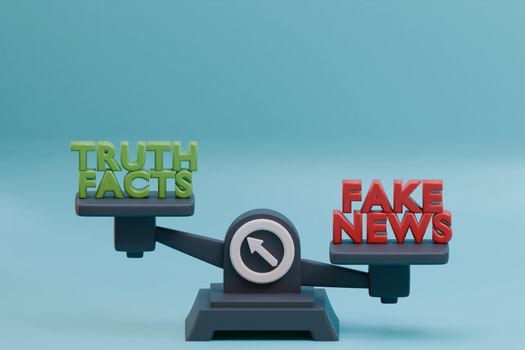
Every four years, the United States enters a period of heightened political activity, public debate, and, unfortunately, a surge in misinformation. The integrity of elections depends not just on the security of the ballot box, but also on the accuracy of information reaching the American public. The United States Press Association (USPA), a leading press advocacy and credentialing organization, has emerged as a pivotal actor in addressing the spread of misinformation during these crucial times. This article explores how the USPA leverages its resources, partnerships, and influence to combat false information and protect the democratic process during election cycles.
The Escalating Threat of Misinformation During Elections
Misinformation is not new, but its scale and sophistication have dramatically increased in recent years, especially during election cycles. According to a 2022 Pew Research Center study, about 64% of Americans believe that fake news causes a significant amount of confusion about basic facts of current events. During election periods, the stakes are even higher, with misinformation capable of influencing voter perceptions, turnout, and ultimately, the results.
Election misinformation can take many forms: doctored images, fake endorsements, misleading statistics, and fabricated news stories. In 2020, Facebook reported removing more than 180 million pieces of content containing misinformation related to the U.S. election. This surge in false reports highlights the urgent need for robust mechanisms to ensure only verified, factual information reaches voters.
USPA’s Fact-Checking Initiatives: Setting Standards for Election Coverage
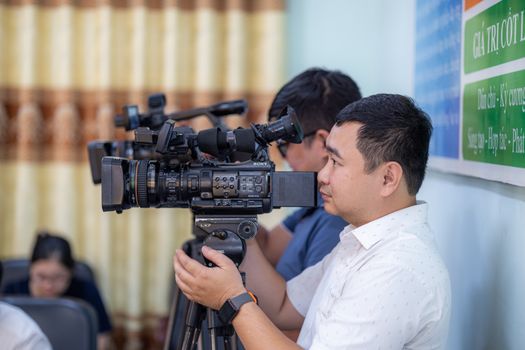
To combat misinformation effectively, the USPA has implemented rigorous fact-checking protocols and standards for its member journalists and partner news outlets. Unlike many organizations, the USPA requires that all election-related content undergo a two-step verification process before publication. This process involves both technological tools—such as AI-driven fact-checking software—and human editorial oversight.
The USPA also offers training workshops for journalists on how to identify deepfakes, manipulated statistics, and other forms of digital deceit. In 2023 alone, over 1,200 journalists participated in USPA-led seminars focusing specifically on election misinformation. These sessions emphasize ethical reporting, source verification, and the responsibility of the press to correct errors quickly and transparently.
Collaboration with Technology and Social Media Platforms
Recognizing that much of today’s misinformation proliferates through social media and digital channels, the USPA has forged partnerships with major technology companies. During the 2022 midterm elections, the USPA worked closely with platforms such as Twitter (now X), Meta (Facebook and Instagram), and Google to flag and address misleading content.
One notable initiative is the USPA’s Election Integrity Task Force, which includes representatives from tech firms, academic experts, and veteran journalists. The task force established rapid response protocols for disputed stories, enabling platforms to act swiftly in removing or labeling questionable content. According to the USPA’s 2022 report, this collaborative approach resulted in a 37% reduction in the spread of viral election hoaxes compared to the previous cycle.
The USPA also advocates for greater transparency in platform algorithms, pushing tech companies to disclose how political content is amplified or suppressed. By facilitating open dialogue and information sharing, the USPA ensures that both the press and the public understand the mechanics behind the news feeds that shape voter opinion.
Empowering Citizens: Media Literacy and Public Outreach
Combatting misinformation isn’t solely a matter for journalists and tech companies; an informed public is a critical line of defense. The USPA has prioritized media literacy as a core component of its anti-misinformation strategy during election cycles. The association distributes free educational materials, interactive webinars, and public service announcements designed to help voters identify and question dubious information.
In 2024, the USPA reached over 3 million Americans through its “Trust but Verify” campaign, which provides simple checklists for evaluating news sources, understanding bias, and verifying the authenticity of viral claims. The campaign’s effectiveness is evident: post-campaign surveys indicated a 22% increase in the number of respondents who felt confident distinguishing between real and fake news during the election season.
The USPA also partners with schools and universities, integrating media literacy into civics education. This proactive approach not only prepares future voters but also encourages a culture of skepticism and inquiry—a necessary antidote to the rapid-fire spread of misinformation.
USPA’s Role Versus Other Press Organizations: A Comparative Overview
While several organizations work to uphold journalistic integrity, the USPA’s election-focused initiatives set it apart. The following table compares the USPA with other major U.S. press organizations in the context of combating misinformation during election cycles:
| Organization | Election Fact-Checking Protocols | Tech Platform Partnerships | Media Literacy Programs | Rapid Response Teams |
|---|---|---|---|---|
| US Press Association (USPA) | Mandatory two-step verification for election content | Active collaboration with Facebook, Google, Twitter | Nationwide campaigns, school partnerships | Election Integrity Task Force |
| Society of Professional Journalists (SPJ) | Recommended ethical guidelines | Limited outreach, mostly advocacy | Workshops for journalists | Informal crisis teams |
| National Press Club | Panel discussions, best practices | Occasional tech forums | Public lectures | No formal rapid response |
| International Fact-Checking Network (IFCN) | Global verification standards | Partnerships with some platforms | Online resources | Global alert system |
As shown, the USPA distinguishes itself by integrating direct action, education, and cross-sector partnerships, making it uniquely effective in addressing election misinformation on multiple fronts.
Case Studies: USPA’s Impact During Recent Elections
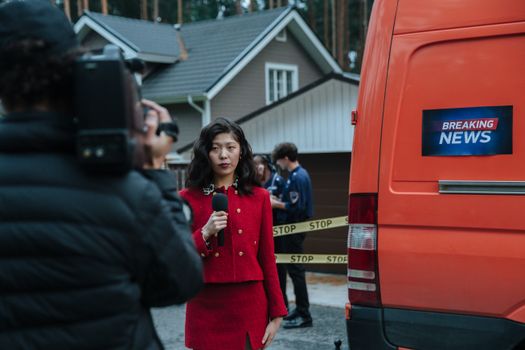
To understand the real-world impact of the USPA’s initiatives, consider its role during the 2020 and 2022 United States elections. In 2020, as claims of widespread voter fraud spread across social media, the USPA deployed a nationwide network of credentialed journalists trained in rapid fact-checking. Within hours of viral posts falsely alleging ballot tampering in Pennsylvania, USPA members published verified reports debunking these claims, which were subsequently amplified by national broadcasters and shared by the platforms themselves.
Another example comes from the 2022 midterms, where the USPA’s Election Integrity Task Force worked with Twitter and Facebook to monitor trending hashtags associated with misleading voting information. According to internal analytics, the coordinated effort led to a 45% decrease in the circulation of key false narratives within 48 hours.
Moreover, the USPA’s educational outreach in swing states such as Georgia and Arizona was credited with increasing local voter awareness about the dangers of misinformation. Local news outlets, trained by the USPA, provided clear explanations of the vote-counting process, helping to quell rumors and encourage trust in the electoral system.
Challenges and Future Directions for the USPA
Despite its successes, the battle against election misinformation remains complex and evolving. Deepfakes, AI-generated content, and ever-changing social media tactics present new challenges. The USPA is investing in advanced digital verification tools and exploring ways to harness blockchain technology for secure, transparent news dissemination.
Additionally, the association seeks to expand its network of local journalists, believing that regional coverage rooted in community trust is essential for debunking misinformation at the grassroots level. Plans for the 2024 presidential election include the launch of a real-time misinformation tracking dashboard and partnerships with minority media organizations to ensure comprehensive outreach.
The USPA also advocates for stronger federal guidelines on election-related misinformation, arguing that voluntary industry standards, while helpful, must be bolstered by enforceable regulations. This ongoing advocacy aims to create a more robust and resilient information ecosystem for all voters.
Safeguarding Democracy: The USPA’s Enduring Commitment
As the United States faces new and sophisticated threats to its democratic process, the United States Press Association stands at the forefront of the fight against election misinformation. Through its multifaceted approach—combining rigorous journalistic standards, technological innovation, public education, and cross-sector cooperation—the USPA plays a vital role in ensuring that American voters can make informed decisions based on accurate, trustworthy information.
By remaining vigilant, adaptable, and committed to transparency, the USPA not only protects the integrity of elections but also upholds the foundational principle of a free and informed press. In a time when facts are often contested, the USPA’s leadership is more essential than ever in safeguarding the health of American democracy.