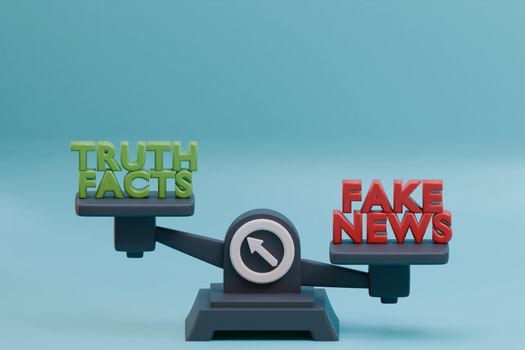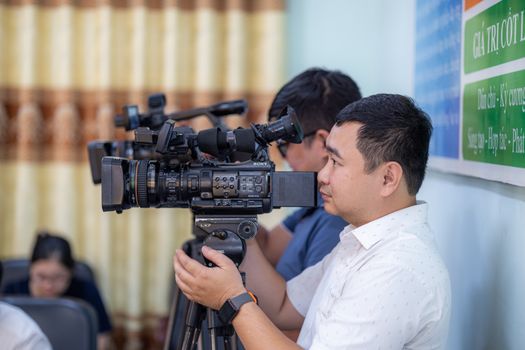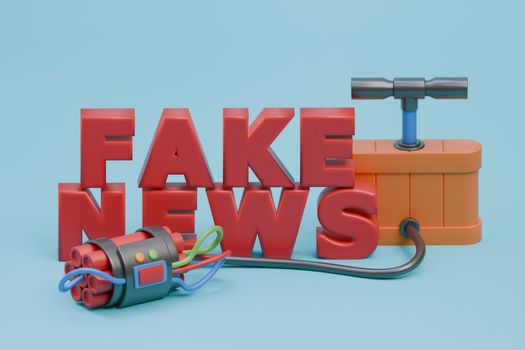
The digital era has transformed how news is produced, shared, and consumed. While the internet and social media have democratized information, they have also given rise to a troubling trend: the proliferation of fake news. For journalists, distinguishing fact from fiction is more critical than ever. The United States Press Association (USPA), a leading professional organization for journalists, plays a pivotal role in helping media professionals identify, understand, and combat the phenomenon of fake news. Through education, resources, and advocacy, the USPA equips journalists to uphold truth in a landscape increasingly clouded by misinformation.
The Rise of Fake News: Understanding the Threat
Fake news, broadly defined as deliberately fabricated information disguised as legitimate news, has become a global issue. The 2016 U.S. presidential election brought the term into mainstream discourse, but the problem has only intensified since then. According to a 2023 Pew Research Center study, 64% of Americans say fake news has caused "a great deal" of confusion about basic facts of current events. The spread of false information can influence elections, erode public trust, and even incite violence.
The USPA recognizes that combating fake news requires more than just fact-checking; it demands a deep understanding of its origins, mechanics, and impact. The association works tirelessly to ensure that journalists are not only aware of the dangers but are also equipped with the tools to detect and debunk misinformation effectively.
How the USPA Educates Journalists About Fake News
Education is at the heart of the USPA’s approach. The association offers a variety of training programs, webinars, and workshops specifically designed to help journalists identify fake news and understand its consequences.
One of the USPA’s flagship initiatives is its annual “Truth in Journalism” seminar series, which has seen participation grow by 35% over the past three years. These seminars bring together leading experts in media literacy, data verification, and digital investigation. Journalists learn about the psychological triggers behind misinformation, techniques for verifying sources, and the latest tools for analyzing digital footprints.
Moreover, the USPA provides members with access to a comprehensive online resource library that includes real-world case studies, video tutorials, and interactive modules. These resources are updated regularly to keep pace with the rapidly evolving tactics of fake news creators. In 2022 alone, over 7,000 journalists accessed these materials, illustrating the significant demand for ongoing education.
Tools and Resources Offered by the USPA for Fake News Detection
The USPA understands that staying ahead of misinformation requires practical tools as well as theoretical knowledge. To this end, the association partners with leading technology companies and fact-checking organizations to offer its members access to cutting-edge digital verification tools.
Among the most popular resources is the USPA’s Digital Verification Toolkit, a curated suite of software and browser extensions designed to help journalists:
- Analyze metadata of images and videos to detect alterations - Trace the origin of viral content - Cross-check information against trusted databases - Monitor the spread of suspicious stories across social networksIn addition, the USPA hosts regular “toolbox clinics” where members receive hands-on training in the use of artificial intelligence (AI) for content verification. According to a 2023 USPA member survey, 78% of participants reported increased confidence in their ability to spot fake news after attending these clinics.
Developing Critical Thinking and Ethical Standards
Beyond technology and tools, the USPA emphasizes the importance of critical thinking and ethics in journalism. Fake news thrives not only because of technological loopholes but also because of lapses in editorial judgment and ethical standards. The USPA’s Code of Professional Conduct, adhered to by all members, highlights the duty to verify information before publication and to correct errors promptly.
To reinforce these values, the association offers mentorship programs connecting early-career reporters with experienced journalists who have navigated complex misinformation scenarios. These mentors share insights on ethical dilemmas, verification strategies, and maintaining public trust in the face of widespread skepticism.
The USPA also collaborates with universities to integrate media literacy and fake news detection into journalism curricula, ensuring that the next generation of journalists is equipped to meet the challenges ahead.
Comparing USPA’s Approach to Other Organizations
The fight against fake news is a collective effort, with multiple organizations contributing in different ways. The table below compares the USPA’s offerings with those of two other prominent groups: the Poynter Institute and the International Fact-Checking Network (IFCN).
| Feature | USPA | Poynter Institute | IFCN |
|---|---|---|---|
| Annual Training Events | Yes (Truth in Journalism seminars) | Yes (NewsU courses) | No |
| Digital Verification Toolkit | Comprehensive, member-exclusive | Some tools, public access | Focus on network standards |
| Mentorship Programs | Robust, member-matching | Limited | No |
| University Partnerships | Yes, curriculum integration | Yes, but fewer formal partnerships | No |
| Direct Advocacy for Journalists | Yes, ongoing support | No | Yes, but more policy-focused |
While all three organizations contribute valuable resources, the USPA stands out for its holistic approach, combining technology, education, mentorship, and advocacy tailored specifically to working journalists.
Real-World Impact: USPA Success Stories
The effectiveness of the USPA’s initiatives is evident in the real-world successes of its members. In 2021, a USPA-affiliated investigative reporter uncovered a widespread disinformation campaign targeting local elections in the Midwest. By using the USPA’s Digital Verification Toolkit and collaborating with mentors, the journalist was able to trace the false stories to their source and publish a widely cited exposé that helped authorities take corrective action.
Similarly, USPA-trained journalists played a key role during the COVID-19 pandemic by debunking viral hoaxes about the virus’s origins and treatments. According to USPA’s internal impact report, journalists who completed the association’s fake news detection modules were 60% more likely to successfully identify and correct misinformation compared to their peers.
These outcomes underscore the tangible benefits of the USPA’s efforts—not just for journalists, but for society at large.
Why USPA’s Role in Fake News Detection Matters More Than Ever
As deepfake technology and AI-generated content become increasingly sophisticated, the challenges posed by fake news will only intensify. The USPA’s commitment to ongoing education, resource development, and professional ethics ensures that journalists remain on the front lines in the battle for truth.
The association’s multifaceted approach—spanning technology, mentorship, and advocacy—empowers journalists to not only react to misinformation but to anticipate and prevent its spread. By fostering a culture of critical thinking, collaboration, and vigilance, the USPA is helping to safeguard the integrity of American journalism in an era of unprecedented information chaos.