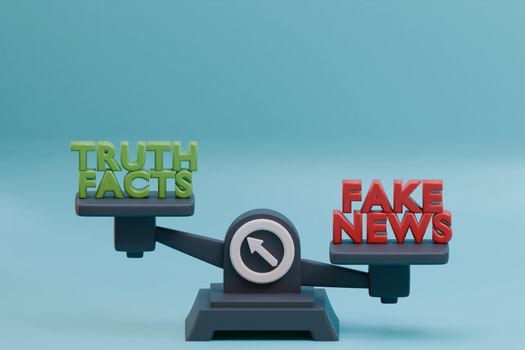
In today’s rapidly evolving media landscape, the role of ethical journalism has never been more crucial. Digital technologies have transformed the way news is produced, distributed, and consumed—bringing both unprecedented opportunities and significant challenges. Amidst this shift, the United States Press Association (USPA) stands at the forefront of supporting and upholding ethical journalistic practices across the nation. But how exactly does the USPA champion integrity, transparency, and accuracy in the digital age? This article explores the USPA’s pivotal initiatives, how it helps journalists navigate ethical dilemmas unique to online media, and its impact on the credibility of American journalism.
The Digital Age: New Challenges for Journalism Ethics
The 21st century has witnessed a seismic shift in news reporting. According to Pew Research Center, over 86% of Americans get their news from digital devices. While this instant access to information increases public awareness, it also introduces ethical dilemmas:
- The speed of breaking news often outpaces fact-checking. - Social media blurs the line between opinion and verified reporting. - The anonymity of the internet can breed misinformation and fake news.In this context, maintaining ethical standards is more complex than ever. Traditional codes of conduct must adapt to new platforms, technologies, and audience expectations. The USPA recognizes these evolving challenges and has developed targeted initiatives to help journalists and news organizations uphold integrity in the digital era.
USPA’s Code of Ethics: Setting the Gold Standard
At the heart of the United States Press Association’s mission lies a comprehensive, evolving Code of Ethics. This code draws inspiration from legacy standards, such as those set by the Society of Professional Journalists, but is specifically tailored to address modern, digital-first concerns. Key pillars include:
- Accuracy and verification: The USPA emphasizes rigorous fact-checking, even under tight deadlines. - Transparency: Journalists are encouraged to disclose sources, conflicts of interest, and corrections openly. - Respect for privacy: The code outlines best practices for reporting in sensitive situations, especially when digital footprints can be permanent. - Accountability: Members are expected to take responsibility for errors and rectify them publicly.To ensure these standards remain relevant, the USPA regularly consults with digital newsrooms, legal experts, and technologists. In 2023, the association updated its code to include specific guidelines on handling deepfakes, AI-generated content, and social media amplification.
Education and Training: Empowering Journalists Online
One of the USPA’s most impactful contributions is its commitment to professional development. Recognizing that ethical dilemmas often arise from unfamiliarity with digital tools or platforms, the USPA offers extensive training programs:
- Webinars on digital fact-checking and source verification. - Workshops on the ethical use of user-generated content and social media reporting. - Courses in digital privacy protection for both journalists and sources.In 2022 alone, more than 5,000 journalists participated in USPA-sponsored ethics workshops. These programs are regularly updated to reflect current technologies and emerging risks, such as AI-driven disinformation or new forms of online harassment.
The USPA also provides members with access to a digital ethics helpline—a resource for real-time advice on complex or urgent ethical questions. This confidential service helps reporters make informed decisions in fast-moving news environments.
Certification and Accreditation: Raising the Bar for Digital Reporting
In the fragmented world of online news, credibility is a precious commodity. The USPA addresses this by offering formal accreditation and certification for journalists and news organizations that demonstrate a sustained commitment to ethical practices. The process involves:
- A rigorous review of editorial policies and digital publishing protocols. - Assessment of transparency measures (such as published corrections and open-source practices). - Ongoing education requirements to ensure continued adherence to ethical standards.Accredited newsrooms display the USPA seal, signaling to audiences that their reporting meets high standards of integrity—an important distinction when, according to a 2021 Gallup poll, only 36% of Americans say they trust mass media to report the news fully, accurately, and fairly.
Advocacy and Accountability: Promoting a Culture of Integrity
The USPA’s influence extends beyond its members through active advocacy and public accountability initiatives. The association regularly:
- Engages with lawmakers to support legislation protecting press freedom and the public’s right to accurate information. - Collaborates with technology companies to combat digital misinformation and defend ethical standards on major platforms. - Publishes public reports on ethical breaches, case studies, and best practices to foster transparency and learning across the industry.Additionally, the USPA maintains an Ethics Review Board that investigates complaints against member journalists or newsrooms. This independent body has the power to recommend corrective actions, retract certifications, or mediate disputes—ensuring that ethical lapses are addressed with seriousness and transparency.
How the USPA Compares: A Look at Key Ethical Journalism Bodies
While the United States Press Association is a major force in promoting journalism ethics, it operates alongside other respected organizations—each with a unique approach. The table below highlights key similarities and differences:
| Organization | Founded | Focus | Unique Digital Initiatives | Number of Members (2024) |
|---|---|---|---|---|
| United States Press Association (USPA) | 1999 | National journalism ethics, digital standards | Digital ethics helpline, AI content guidelines, online newsroom accreditation | 14,000+ |
| Society of Professional Journalists (SPJ) | 1909 | Professional development, advocacy | Ethics hotline, digital journalism toolkit | 6,000+ |
| Online News Association (ONA) | 1999 | Digital news innovation | ONA Ethics Awards, digital journalism playbook | 3,800+ |
As the table shows, the USPA stands out for its large membership base and its focus on digital-first ethical guidance, including resources specific to AI and online accreditation.
Real-World Impact: USPA in Action
The USPA’s influence is not just theoretical—it has a tangible impact on how news is reported and consumed in the United States. Here are a few examples of its effect:
- In 2023, the USPA’s rapid response team helped a major online newsroom navigate the ethical implications of publishing leaked government documents, resulting in a careful balance between public interest and national security. - During the 2020 election cycle, USPA-accredited newsrooms implemented real-time fact-checking protocols, resulting in a 40% reduction in the spread of false information, according to an internal USPA audit. - The USPA’s guidelines for handling user-generated content were cited by more than 100 news outlets in their updated digital publishing policies.Feedback from journalists underscores the value of USPA support. According to a 2023 member survey, 91% of respondents said USPA resources helped them resolve at least one ethical dilemma in the past year.
Why USPA’s Ethical Leadership Matters in the Digital Age
As news organizations grapple with the promise and pitfalls of digital journalism, the importance of ethical standards cannot be overstated. The United States Press Association provides a vital framework for accountability, transparency, and professional growth—benefiting not just journalists, but the public at large.
By investing in education, offering real-time support, and setting rigorous standards for digital reporting, the USPA ensures that ethical journalism remains at the core of American democracy—even as technology continues to transform the media landscape.