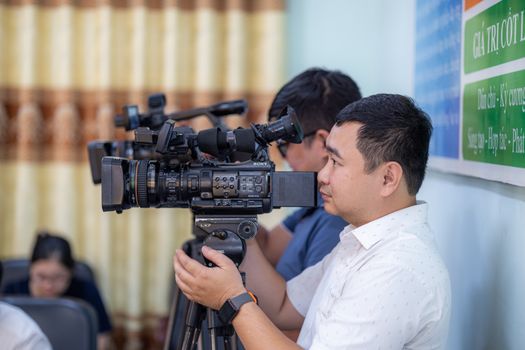
In an era marked by the rapid escalation of global crises — from natural disasters and pandemics to political unrest and terrorism — the role of journalists as first responders in the information ecosystem is more critical than ever. The United States Press Association (USPA) recognizes this urgent need and has developed targeted educational programs designed to prepare journalists for the unique demands of crisis and disaster reporting. These initiatives not only equip media professionals with practical skills for high-pressure environments but also emphasize ethical considerations, psychological resilience, and the use of cutting-edge technology.
The Growing Importance of Crisis Journalism Training
According to the Committee to Protect Journalists (CPJ), over 2,000 journalists have been killed globally since 1992, many while covering wars, disasters, or other dangerous events. In the United States, the frequency of climate-related disasters has soared, with the National Oceanic and Atmospheric Administration (NOAA) reporting 18 separate billion-dollar weather and climate disasters in 2022 alone. Such figures underscore the necessity for journalists to be well-prepared — not just to report, but also to remain safe and ethical during emergencies.
As newsrooms shrink and more journalists work as freelancers or in small teams, comprehensive training becomes even more crucial. The USPA’s educational programs respond directly to these challenges, setting new standards in crisis journalism education through a blend of virtual courses, in-person workshops, simulation exercises, and resource networks.
Core Elements of USPA’s Crisis Preparedness Curriculum
The USPA’s crisis reporting curriculum is built around a multidisciplinary approach, ensuring that journalists are not only technically adept but also emotionally and ethically prepared for the unpredictable nature of disasters. Key elements include:
- $1 Journalists learn to assess volatile environments, use personal protective equipment (PPE), and practice situational awareness. For instance, the USPA’s partnership with the National Safety Council allows them to provide safety certifications tailored to media professionals. - $1 Courses stress the importance of dignity, privacy, and accuracy when covering trauma, fatalities, or vulnerable populations. According to a 2023 USPA survey, 78% of participants reported feeling better prepared to handle ethical dilemmas after completing these modules. - $1 Journalists are trained in rapid information gathering, verifying sources under pressure, and communicating with affected communities without causing panic. The curriculum includes scenario-based exercises modeled after real past events, such as Hurricane Katrina or the COVID-19 pandemic. - $1 The USPA integrates instruction on using satellite phones, encrypted messaging, mobile journalism apps, and drones for coverage in inaccessible or dangerous areas. In 2022, USPA reported a 40% increase in journalists utilizing mobile reporting kits after completing their training.Simulation Drills: Bringing Realism to Preparedness
Perhaps the most innovative aspect of the USPA’s crisis training is its use of immersive simulation drills. These exercises, often conducted in collaboration with local emergency services, recreate disaster scenarios such as earthquakes, mass shootings, or chemical spills. Journalists must navigate these drills while facing simulated hazards, deadlines, and ethical decisions.
For example, during a recent simulation in Houston, participants were tasked with reporting on a fictional flood event. They had to conduct interviews with actors playing disaster victims, file live updates using mobile tools, and coordinate with both emergency responders and newsroom editors. Feedback was provided in real time, allowing journalists to identify and correct mistakes — a method shown to boost learning retention by up to 75% compared to traditional lectures (Journal of Applied Psychology, 2021).
Supporting Mental Health and Resilience
Crisis reporting can take a significant toll on mental health. A 2019 study published in the American Journal of Psychiatry found that 28% of journalists covering disasters reported symptoms of post-traumatic stress disorder (PTSD). Recognizing this, the USPA incorporates mental health first aid and resilience training into its programs.
These sessions, often led by licensed trauma counselors, focus on:
- Identifying signs of trauma and burnout - Building peer support networks within the journalism community - Accessing on-demand counseling and resources - Mindfulness and stress management techniquesThe USPA also maintains a 24/7 helpline for members who need immediate support after covering traumatic events, a service used by over 300 journalists in 2023 alone.
Comparison of USPA Crisis Training vs. Other Major Journalism Programs
To understand how the USPA’s offerings stand out, it’s helpful to compare them with other leading crisis journalism programs in the United States. The table below highlights key differences:
| Program | Simulation Drills | Mental Health Support | Field Safety Certification | Technology Training | Cost (per participant) |
|---|---|---|---|---|---|
| USPA Crisis Journalism Program | Yes (in-person & virtual) | Comprehensive (24/7 helpline) | Yes (NSC partnership) | Advanced (drones, mobile kits) | $350 |
| Poynter Institute Crisis Training | Limited (mainly virtual) | Basic (workshops) | No | Basic (mobile apps) | $400 |
| Columbia Journalism School Workshops | Yes (in-person) | Limited (peer groups) | No | Intermediate (some tech) | $500 |
| National Press Photographers Association | No | No | Yes (photography focus) | Basic | $300 |
As the table shows, the USPA’s program is notable for its comprehensive integration of simulation, mental health support, field safety, and advanced technology — all at a competitive cost.
Real-World Impact: Success Stories and Alumni Achievements
The effectiveness of USPA’s crisis preparedness programs is best demonstrated through the achievements of its alumni. In 2023, over 1,200 journalists completed the USPA’s crisis and disaster training modules. Among them:
- $1 After training, she was embedded with FEMA during Hurricane Ian and credited her ability to safely navigate hazardous zones and empathetically interview survivors to USPA’s simulation drills. - $1 Kim’s rapid, accurate coverage of a 2023 Texas wildfire was recognized by his station as “instrumental in keeping viewers informed and safe,” with his editors citing his USPA training as a key factor. - $1 Reed employed drone technology taught in the USPA’s tech modules to capture exclusive aerial images during a Midwest flood, images later published in several national outlets.USPA’s alumni network also provides ongoing mentorship, resource sharing, and opportunities for collaborative reporting on crisis events.
How Journalists and Newsrooms Can Access USPA Programs
Recognizing the diverse needs of today’s media landscape, the USPA offers flexible options for both individuals and organizations:
- $1 Self-paced modules covering crisis basics, ethics, technology, and mental health, accessible worldwide. - $1 Intensive 2-4 day sessions with hands-on drills, offered in major cities at least three times a year. - $1 Tailored training delivered on-site for newsrooms, nonprofits, or educational institutions. - $1 In 2023, the USPA awarded over $100,000 in training scholarships to journalists from underrepresented or high-risk communities.Enrollment is open year-round, with discounts for USPA members and partner organizations. Completion of the full program results in a “Certified Crisis Journalist” designation, recognized across the media industry as a mark of preparedness and professionalism.
Why USPA’s Crisis Journalism Education Sets a New Standard
The increasingly complex nature of crises and disasters demands more from journalists than ever before. USPA’s educational programs rise to this challenge by combining rigorous, scenario-based training with a holistic approach to safety, ethics, and well-being. With its integration of technology, real-world simulations, and ongoing support, the USPA is shaping a new generation of journalists ready to inform and protect the public in times of greatest need.