In an age where information travels at lightning speed and news can go viral in minutes, the landscape of journalism and media oversight is undergoing seismic change. The rise of social media platforms, citizen journalism, and digital-first reporting has both democratized information and complicated the role of traditional press organizations. Amid this transformation, the United States Press Association (USPA) stands at the crossroads of legacy media standards and the dynamic, sometimes chaotic, world of social media. But what exactly is the role of the USPA in this new era, and how does it navigate the challenges and opportunities presented by unprecedented digital connectivity?
The United States Press Association: A Brief Overview
The United States Press Association is a national professional organization dedicated to supporting, accrediting, and advancing the interests of journalists, news outlets, and media professionals across the country. Established in the early 1990s, the USPA has traditionally focused on upholding journalistic standards, providing credentials, and advocating for press freedom. According to internal USPA data, the organization currently represents over 12,000 members nationwide, including staff journalists, freelancers, photographers, and digital media creators.
However, the last decade has seen a remarkable shift. According to Pew Research Center, as of 2023, over 70% of Americans report getting at least some news from social media, compared to just 18% in 2008. This shift has forced the USPA to adapt its mission, resources, and advocacy to remain relevant and effective in an age where anyone with a smartphone can break a story.
Social Media’s Disruptive Influence on Journalism
Social media platforms like Twitter (now X), Facebook, and TikTok have revolutionized the dissemination and consumption of news. Their impact is both empowering and problematic. On one hand, social media enables real-time reporting, amplifies marginalized voices, and allows journalists to reach global audiences instantly. On the other, it has given rise to misinformation, clickbait, echo chambers, and a blurring of professional and amateur reporting.
For the USPA, these changes present unique challenges:
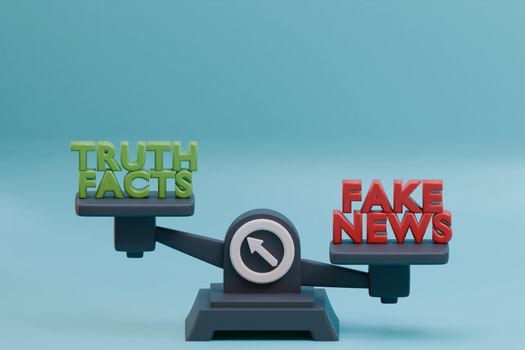
- Verification of Sources: The pressure for speed often means stories are published before being fully verified, leading to the rapid spread of inaccuracies. A 2022 MIT study found that false news on Twitter spreads six times faster than true news. - Erosion of Trust: The lines between legitimate journalism and opinion, sponsored content, or outright fabrication are increasingly blurred. According to Gallup, trust in mass media in the U.S. has dropped to a record low of 32% in 2023. - Evolving Roles: The definition of a “journalist” is more fluid than ever, as influencers, bloggers, and citizen reporters gain massive followings.The USPA has had to expand its traditional remit to address these shifts, providing new forms of support, education, and accreditation for media professionals operating in the digital realm.
USPA’s Initiatives for Social Media Age Journalism
To respond to the rapid evolution of media, the USPA has launched several targeted initiatives designed to bolster ethical, accurate, and impactful journalism in a social media-driven environment. Some of the most notable include:
1. $1 Recognizing the proliferation of online-only journalists and influencers, the USPA now offers digital press credentials with built-in verification features. These credentials help distinguish legitimate media professionals from hobbyists or bad actors, making it easier for event organizers, government agencies, and the public to identify trustworthy sources. 2. $1 In partnership with universities and digital media experts, the USPA offers workshops and webinars specifically focused on best practices for reporting via social platforms. Topics include source verification, maintaining objectivity, handling viral misinformation, and navigating online harassment. 3. $1 The USPA actively engages with social media companies to advocate for better moderation, fact-checking partnerships, and transparent reporting tools. For instance, in 2021, the USPA joined a coalition of press organizations calling for algorithm transparency on Facebook and YouTube. 4. $1 The USPA has expanded its mentorship and grant programs to include digital-first journalists, bloggers, and multimedia creators, providing resources tailored to the realities of online reporting.Comparing Traditional and Social Media-Era Press Associations
The differences between legacy press associations and the USPA’s current approach highlight how much the industry has changed. The table below outlines some key contrasts:
| Aspect | Traditional Press Associations | USPA in the Social Media Era |
|---|---|---|
| Membership Base | Primarily staff journalists, print and broadcast media | Staff, freelance, bloggers, influencers, digital creators |
| Credentialing | Physical press cards, slow verification | Digital credentials, instant verification, online databases |
| Advocacy Focus | Press freedom, access to events, legal support | Platform accountability, digital rights, online harassment |
| Education & Training | Reporting standards, legal issues, print techniques | Social media ethics, digital security, misinformation |
| Reach & Influence | National, often slow to respond to trends | Global, rapid adaptation to new technologies |
These distinctions underscore the USPA’s evolving role as both a guardian of legacy press standards and a forward-thinking advocate for the new realities of media.
Protecting Press Freedom and Public Trust Online
One of the USPA’s critical missions in the social media era is defending press freedom and public trust in journalism. With online threats, coordinated misinformation campaigns, and harassment of journalists on the rise, the USPA has taken several proactive steps:
- $1 The USPA supports cases that defend journalists’ rights to report, including those targeted by online harassment or doxxing. In 2022 alone, the USPA filed amicus briefs in five high-profile court cases involving digital journalism protections. - $1 The organization runs a real-time alert system that notifies members of potential threats to press freedom, including attempts to restrict access, censorship efforts, or coordinated trolling campaigns. - $1 Collaborating with independent fact-checking organizations, the USPA helps develop standards for verifying viral content and combating the spread of false information.These efforts are increasingly vital as 64% of journalists surveyed by the International Center for Journalists in 2023 reported experiencing some form of online abuse or threats related to their work.
Cultivating Community and Professional Standards in a Digital World
Perhaps one of the most challenging – and essential – roles of the USPA is fostering a sense of community and shared standards among a diverse, decentralized, and often fragmented media workforce. Unlike in the past, where newsrooms were centralized and hierarchies clear, today’s journalism ecosystem includes millions of independent voices.
The USPA addresses this by:
- $1 These events bring together journalists from traditional outlets and digital platforms, encouraging cross-pollination of ideas and best practices. - $1 Updated regularly, these guidelines reflect the complexities of reporting in the social media age, addressing issues like sponsored content, embedded advertising, and the use of anonymous sources online. - $1 The USPA has introduced new award categories for social media storytelling, data journalism, and multimedia reporting, validating the work of digital-first journalists and encouraging high standards.By promoting professional identity and ethical behavior, the USPA helps journalists navigate new pressures without sacrificing the core values of the profession.
The Future of the USPA in a Hyperconnected Society
Looking ahead, the USPA’s role is likely to become even more central as the boundaries between news, opinion, entertainment, and propaganda continue to blur. The organization is investing in new tools such as AI-powered verification technologies and expanded partnerships with global press associations to address cross-border misinformation.
The USPA’s ongoing challenge is to balance the democratizing benefits of social media with the need for reliable, accurate reporting. As the trust gap between the public and media widens, organizations like the USPA will be key to rebuilding credibility and ensuring that quality journalism survives and thrives in the twenty-first century.