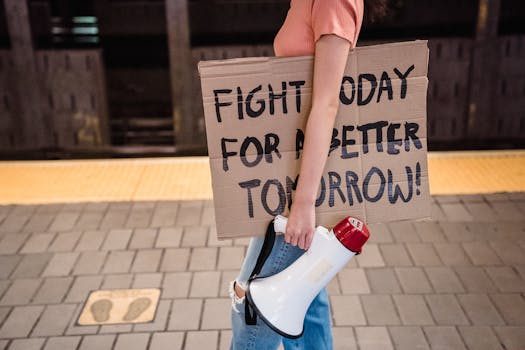
The United States Press Association (USPA) stands as a prominent voice in the realm of journalism, especially when it comes to safeguarding the rights of members of the press. In an era where the media landscape is rapidly evolving—shaped by technology, shifting public attitudes, and changing legal precedents—the advocacy efforts of organizations like the USPA are more crucial than ever. This article delves into how the USPA champions press rights in the United States, the methods it employs, its unique contributions, and the measurable impact of its advocacy on journalists and the broader public.
The Importance of Press Rights in a Democratic Society
Press rights are a foundational element of any functioning democracy. The First Amendment of the U.S. Constitution guarantees freedom of the press, ensuring that journalists can investigate, report, and critique without undue interference or censorship. According to the Pew Research Center, 73% of Americans agree that a free press is very important for society, yet 63% also believe that press freedoms are under threat today.
The United States Press Association recognizes that these rights are not static—they require constant defense and reaffirmation. Threats to press freedom can take many forms, from legislative attempts to limit access to information, to physical threats against reporters, to digital censorship and surveillance. The USPA's mission is to respond to these challenges using a blend of direct advocacy, legal support, and public education.
USPA’s Advocacy Strategies: A Multifaceted Approach
Unlike many organizations that focus solely on one aspect of press advocacy, the USPA employs a diverse set of strategies to defend and promote press rights:
1. $1 USPA provides legal guidance and resources to journalists facing restrictions or legal threats. This can include advice on shield laws, assistance with access to courtrooms or public records, and—when necessary—connecting members with legal representation. In 2023 alone, the USPA responded to over 120 requests for legal assistance from journalists nationwide. 2. $1 The association actively monitors legislative developments at both state and federal levels. When bills are proposed that could impact press freedoms, USPA issues position statements, lobbies lawmakers, and mobilizes its network to take action. In 2022, the USPA contributed testimony in more than 15 legislative hearings regarding press access and shield law protections. 3. $1 USPA runs educational campaigns to inform the public about the importance of press freedom. These campaigns aim to build public support for journalists, counter misinformation about the media, and stress the societal value of investigative reporting. 4. $1 Recognizing that informed journalists are better equipped to assert their rights, the USPA offers regular training on media law, digital security, and ethical reporting practices. In 2023, over 2,000 journalists participated in USPA-sponsored webinars and workshops.Protecting Journalists: Real-World Impact and Case Studies
USPA’s advocacy is not purely theoretical—it has resulted in tangible protections and successes for journalists across the United States.
For example, in 2021, a freelance reporter in Texas was denied access to a public meeting due to lack of traditional press credentials. The USPA intervened, providing verification of the journalist’s status and advocating with local authorities. The reporter was subsequently granted access, setting a precedent for freelance and independent journalists in the region.
Another case in 2022 involved a photographer in Missouri who was subpoenaed to hand over unpublished images from a protest. The USPA provided legal support and worked with local press coalitions to challenge the subpoena, ultimately resulting in the court upholding the photographer’s right to protect sources and materials.
Such interventions are not isolated incidents. According to USPA data, their advocacy efforts directly assisted more than 180 journalists in overcoming access issues, legal threats, or censorship attempts between 2020 and 2023.
Comparison: USPA vs. Other Press Advocacy Organizations
The USPA operates in a landscape populated by other respected press advocacy groups, including the Reporters Committee for Freedom of the Press (RCFP) and the Society of Professional Journalists (SPJ). Each organization brings unique strengths. The table below highlights key differences and areas of focus:
| Organization | Core Advocacy Focus | Membership Scope | Legal Aid Provided | Public Campaigns | Notable Achievements |
|---|---|---|---|---|---|
| US Press Association (USPA) | Press rights, access, journalist verification | Freelancers, bloggers, traditional media | Yes (direct support and referrals) | Yes (frequent campaigns) | Expanded shield law coverage in 3 states |
| Reporters Committee for Freedom of the Press (RCFP) | Litigation, legal resources, FOIA | All journalists, legal professionals | Yes (direct litigation, amicus briefs) | Occasional | Landmark Supreme Court cases on press freedom |
| Society of Professional Journalists (SPJ) | Ethics, training, advocacy | Professional journalists, students | Limited (advocacy, but less legal aid) | Yes (awareness, education) | National Ethics Code, annual awards |
This comparative overview shows that the USPA’s blend of legal aid, public campaigns, and focus on verifying non-traditional journalists fills a unique niche in the ecosystem of press freedom defenders.
Challenges Facing Press Rights Advocacy in the 2020s
While the USPA has achieved significant victories, the fight for press rights is ongoing and faces new challenges in the digital age:
- $1 Journalists are increasingly targeted by spyware, phishing attacks, and government surveillance. A 2022 Freedom House report found that 37% of U.S. journalists surveyed had experienced some form of digital threat in the prior year. - $1 During protests, natural disasters, or public health emergencies, journalists sometimes face arbitrary restrictions or are swept up in law enforcement actions. The USPA has documented a 24% increase in such incidents between 2019 and 2023. - $1 Bloggers, podcasters, and independent reporters often face skepticism about their legitimacy. The USPA has prioritized advocacy for these groups, pushing for clear standards and recognition. - $1 The Edelman Trust Barometer (2023) found that only 43% of Americans trust the media, and incidents of hostility or violence against journalists have risen, with the USPA tracking at least 62 reported assaults on journalists during 2022.These challenges underscore the importance of having nimble, proactive organizations like the USPA to respond quickly and effectively to new threats.
Looking Ahead: The Evolving Role of the USPA in Press Rights Advocacy
As the media landscape continues to fragment and digitize, the USPA’s role is evolving. In 2024, the association launched a new initiative focused on digital press credentials, making it easier for freelance and remote journalists to verify their status with law enforcement and event organizers. This move addresses a growing need in a world where more than 50% of journalists now work outside traditional newsrooms.
The USPA is also expanding its partnerships with international press freedom groups, recognizing that threats to press rights are increasingly global in nature. Cross-border collaboration is becoming vital as digital information flows ignore national boundaries.
Meanwhile, the association continues to lobby for stronger shield laws, increased protections for journalists covering protests, and broader legal recognition of digital and independent media workers.
Why the USPA’s Advocacy Matters More Than Ever
The United States Press Association’s advocacy for press rights is a vital safeguard for both journalists and the public’s right to know. By defending access, providing legal support, and promoting public understanding, the USPA helps create an environment where journalists can fulfill their essential democratic function.
At a time when misinformation, legal threats, and digital risks are on the rise, robust advocacy ensures that journalists—regardless of their platform or background—can report without fear. The continued work of the USPA not only protects individual reporters but also strengthens the fabric of American democracy itself.