The Challenges Faced by the United States Press Association in Ensuring Press Freedom
Press freedom has long been considered a cornerstone of American democracy, ensuring that journalists can investigate, report, and inform the public without fear of censorship or retribution. The United States Press Association (USPA), established to support, protect, and empower journalists, plays a pivotal role in this arena. Yet, the journey to safeguard press freedom is riddled with unique and evolving challenges. From legislative threats and digital-era dilemmas to economic pressures and public trust issues, the USPA must continually adapt and strategize to uphold its mission. In this article, we delve deep into the most significant obstacles the USPA faces in protecting press freedom and explore the implications for journalists and the American public.
Legal Hurdles: Navigating a Changing Legislative Landscape
One of the most persistent challenges to press freedom in the United States comes from the legal and regulatory environment. While the First Amendment explicitly protects freedom of the press, the interpretation and application of these rights are often subjects of intense debate and evolving legislation.
For example, in 2023, Freedom House downgraded the United States’ press freedom ranking, citing increasing legal pressures and court cases targeting journalists. Subpoenas demanding that journalists reveal confidential sources have risen by 32% over the past decade. The lack of a comprehensive federal shield law further complicates matters, leaving journalists vulnerable to prosecution or contempt charges if they refuse to disclose sources.
Moreover, the USPA must grapple with state-by-state variations in press protections. In some states, robust shield laws exist, while in others, journalists have minimal legal recourse. This patchwork legal framework creates uncertainty, making it challenging for the USPA to provide consistent guidance and protection for its members nationwide.
Digital Age Dilemmas: Managing the Risks of Online Journalism
The digital revolution has transformed journalism, simultaneously opening new opportunities and presenting unprecedented risks. The rise of social media, blogs, and independent news platforms has democratized information but also introduced complex vulnerabilities.
Cyberattacks targeting news organizations have surged, with the USPA reporting a 45% increase in digital threats against journalists between 2020 and 2023. These attacks range from hacking and phishing to coordinated online harassment campaigns. In 2022 alone, over 100 American journalists reported being doxxed—having their private information maliciously published online—according to the Committee to Protect Journalists.
Additionally, the spread of misinformation and deepfakes undermines the credibility of legitimate reporting. Journalists must now work harder to verify sources and combat the rapid spread of false narratives. The USPA faces the challenge of equipping its members with the tools and training necessary to navigate these online hazards while maintaining journalistic integrity.
Economic Pressures and the Shrinking Newsroom
Another formidable challenge is the economic instability facing the journalism industry. Newspaper advertising revenue in the U.S. plummeted from $49.4 billion in 2005 to just $9.6 billion in 2022, according to Pew Research Center. This drastic decline has led to widespread newsroom layoffs, closures of local newspapers, and increased reliance on freelance journalists.
The shrinking economic base makes it harder for the USPA to secure funding for press freedom initiatives, legal defense, and journalist training programs. It also leaves individual journalists more vulnerable, as many lack the institutional support that once provided legal and financial protection.
Freelancers and independent journalists, who now comprise a growing percentage of the USPA’s membership, face particular challenges. Without the backing of major news organizations, they are more susceptible to legal threats, financial hardship, and safety risks.
Press Freedom in the Global Context: How Does the US Compare?
The challenges faced by the USPA must also be understood in a global context. While the United States is often regarded as a model for press freedom, recent years have seen its ranking slip compared to other democracies.
The table below provides a snapshot of press freedom rankings in 2023, according to Reporters Without Borders:
| Country | Press Freedom Ranking (2023) | Notable Challenges |
|---|---|---|
| Norway | 1 | Minimal legal threats, high public trust |
| Finland | 2 | Strong protections, government transparency |
| Germany | 21 | Occasional court orders, digital threats |
| United States | 45 | Legal pressures, violence, online harassment |
| Mexico | 127 | Violence, organized crime, impunity |
The United States now ranks 45th in the world for press freedom—a stark reminder of the ongoing challenges. Factors influencing this ranking include legal battles, violence against journalists, and increasing governmental hostility toward the press. The USPA must, therefore, not only address domestic issues but also remain vigilant against global trends that could further erode journalistic freedoms.
Safety and Security: Protecting Journalists in the Field
Physical safety remains a critical concern for the USPA and its members. According to the U.S. Press Freedom Tracker, more than 100 journalists were assaulted while covering protests and public events in 2020 alone. Threats, harassment, and even targeted violence have become alarmingly common, especially during times of political or social unrest.
In recent years, the USPA has had to expand its focus from legal advocacy to include safety training, crisis response, and the distribution of protective gear. Journalists covering contentious topics such as civil rights, immigration, or government corruption face heightened risks, including surveillance and intimidation by both state and non-state actors.
The association also works to ensure that police and authorities respect journalists’ rights during demonstrations and public gatherings. However, incidents of unlawful detainment and equipment seizure continue to occur, underscoring the need for ongoing vigilance and advocacy.
Public Trust and the Battle Against Disinformation
Perhaps one of the most insidious challenges is the erosion of public trust in the media. According to a 2022 Gallup poll, only 34% of Americans said they had a “great deal” or “fair amount” of trust in mass media—the second-lowest figure recorded since the poll began in 1972.
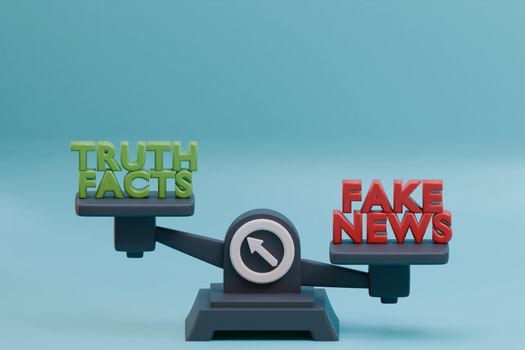
The proliferation of “fake news,” partisan reporting, and deliberate disinformation campaigns has created a highly polarized media environment. This not only undermines the credibility of legitimate journalism but also endangers journalists, who are increasingly viewed with suspicion or hostility by segments of the public.
The USPA must work tirelessly to promote high standards of accuracy, transparency, and accountability among its members. Public education campaigns, fact-checking initiatives, and community engagement efforts are all part of the strategy to rebuild trust and reinforce the essential role of a free press in a healthy democracy.
Looking Ahead: The Evolving Mission of the USPA
Ensuring press freedom in the United States is an ongoing, dynamic challenge. The USPA stands at the intersection of legal advocacy, journalist safety, economic sustainability, and public trust. Its mission must continually evolve to address new threats, whether from changing laws, digital dangers, or shifting social attitudes.
While the obstacles are significant, the determination of the USPA and its members remains unwavering. By fostering collaboration, providing resources and training, and advocating for stronger legal protections, the association is working to secure a future where press freedom is not only protected but strengthened for generations to come.