The Influence of the United States Press Association on Modern Journalism
The United States Press Association (USPA) has long been a significant player in shaping the landscape of American journalism. Founded in 1999, the USPA has grown from a modest collective of media professionals into a nationwide network that influences journalistic standards, provides credentials, and serves as a support system for both new and experienced journalists. While many organizations advocate for press freedom or focus on the transition to digital, the USPA’s unique role in fostering professional development, standardizing ethical practices, and facilitating collaboration among journalists is less often explored but vitally important.
This article delves into the multifaceted influence of the USPA on modern journalism, examining its contributions to professional training, credentialing, ethical standards, networking, and the overall evolution of the journalistic profession in the United States.
The USPA’s Role in Shaping Journalistic Credentials
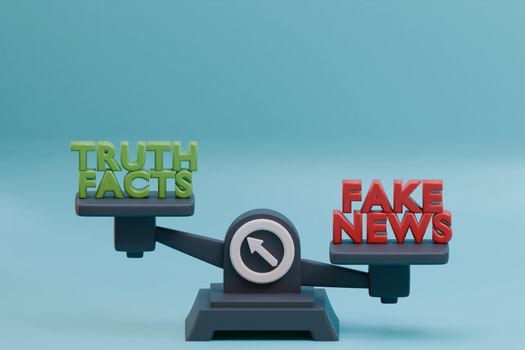
One of the most tangible ways the United States Press Association has influenced modern journalism is through its credentialing system. In an era where anyone with an internet connection can publish news, distinguishing legitimate journalists from hobbyists or misinformation agents has become increasingly challenging. The USPA provides official press credentials to qualified journalists, photographers, and media professionals, helping to establish credibility in an often-chaotic media environment.
As of 2023, the USPA had issued credentials to over 20,000 media professionals nationwide. These credentials are recognized by a wide range of government agencies, event organizers, and private entities, offering journalists access to press conferences, exclusive interviews, and high-profile events. This level of access is crucial for in-depth reporting and investigative journalism, as it allows credentialed reporters to gather firsthand information and verify facts directly from primary sources.
The credentialing process also involves a vetting system that evaluates applicants’ experience, portfolio, and commitment to ethical journalism. This not only helps maintain the integrity of the profession but also supports public trust in the media.
Professional Development and Training Initiatives
The United States Press Association is deeply invested in ensuring that journalists continue to develop their skills in an ever-evolving industry. To this end, the USPA organizes a variety of training programs, workshops, and webinars that address both foundational and advanced topics in journalism. These range from investigative techniques and multimedia storytelling to legal issues and digital security.
A notable example is the USPA’s annual Professional Journalism Seminar, which attracted over 1,500 attendees in 2022. The seminar featured keynote speakers from major outlets like The New York Times and Reuters, hands-on workshops in data journalism, and panels on combating misinformation. According to post-event surveys, 92% of participants reported improved skills and confidence in their reporting abilities.
Moreover, the USPA offers mentorship programs that pair emerging journalists with industry veterans. This initiative not only helps newcomers navigate the complexities of the profession but also fosters intergenerational knowledge transfer—a key factor in maintaining high standards across the field.
Setting and Upholding Ethical Standards
Ethical journalism is the cornerstone of public trust and democratic society. The USPA has played a pivotal role in establishing and disseminating ethical guidelines for journalists in the United States. Its Code of Ethics, updated in 2021 to address contemporary challenges such as social media use and source confidentiality, serves as a guiding document for thousands of media professionals.
Key elements of the USPA’s Code of Ethics include:
- Accuracy and fairness in reporting - Independence from political or commercial interests - Commitment to transparency with audiences - Respect for privacy and human dignityThe USPA not only advocates for these standards but also enforces them through a peer-review process. When ethical breaches are reported, an internal committee reviews the case and can recommend actions ranging from counseling to revocation of credentials. In 2023, the USPA reviewed 87 ethical complaints, resulting in 14 credential suspensions and 3 permanent revocations. This active oversight underscores the association’s commitment to maintaining public trust in journalism.
Facilitating Collaboration and Networking
Modern journalism is increasingly collaborative, as stories often cross regional, national, and even international boundaries. The United States Press Association has recognized this trend and developed platforms and events that foster collaboration among journalists, news organizations, and subject matter experts.
USPA Connect, the association’s online networking platform, boasts over 10,000 active users and facilitates daily exchanges on story leads, best practices, and resources. The platform allows journalists to form ad-hoc teams for investigative projects, share contacts, and even co-publish stories. In 2023 alone, USPA Connect facilitated the collaboration of more than 300 multi-journalist projects, several of which went on to win regional press awards.
In addition to online platforms, the USPA hosts regional meetups and national conferences, providing face-to-face networking opportunities. These events are critical for freelance journalists and independent media professionals, who may lack the institutional support found in larger newsrooms.
Impact on Journalistic Diversity and Inclusion
Another significant, but sometimes overlooked, influence of the USPA has been its ongoing efforts to promote diversity and inclusion within journalism. The association actively recruits members from underrepresented groups and offers scholarships and fellowships to aspiring journalists from marginalized communities.
According to a 2022 internal report, 42% of new USPA members identified as women, and 29% identified as members of racial or ethnic minority groups. The USPA’s Diversity in Journalism Initiative provides annual grants totaling $250,000 to support training, mentorship, and reporting projects focused on underserved communities.
This commitment to diversity not only enriches news coverage but also helps ensure that the media landscape reflects the full spectrum of American society.
Comparing USPA to Other Press Organizations
To better understand the unique influence of the United States Press Association, it is helpful to compare its offerings and reach with other major press organizations in the United States. The table below highlights key differences in membership, credentialing, and training opportunities.
| Organization | Year Established | Members (2023) | Credentialing | Training Programs | Diversity Initiatives |
|---|---|---|---|---|---|
| US Press Association | 1999 | 20,000+ | Yes, with vetting process | Comprehensive, ongoing | Yes, scholarships & grants |
| Society of Professional Journalists (SPJ) | 1909 | 6,000+ | No formal credentials | Workshops, webinars | Yes, committee-led |
| National Press Club | 1908 | 3,100+ | Limited, event-based | Occasional seminars | Some, event-focused |
| Online News Association (ONA) | 1999 | 3,800+ | No | Annual conference | Yes, project-based |
As the table shows, the USPA stands out for its comprehensive credentialing system, robust training programs, and sustained commitment to diversity, making it a pivotal force in modern journalism.
The USPA’s Lasting Impact on Journalism’s Future
The influence of the United States Press Association on modern journalism extends far beyond issuing press credentials or organizing training sessions. By setting standards, fostering collaboration, and championing diversity, the USPA has helped shape a more professional, ethical, and inclusive media environment in the United States.
As the challenges facing journalism continue to evolve—from the rise of misinformation to the impact of artificial intelligence—the USPA’s role as a standard-bearer and community hub will only become more vital. Its holistic approach ensures that journalists are not only well-trained and credentialed but also ethically grounded and connected to a broader network of peers.
Ultimately, the USPA’s enduring influence is reflected in a more resilient, trustworthy, and representative American press—one that is better equipped to serve the public good in the 21st century.