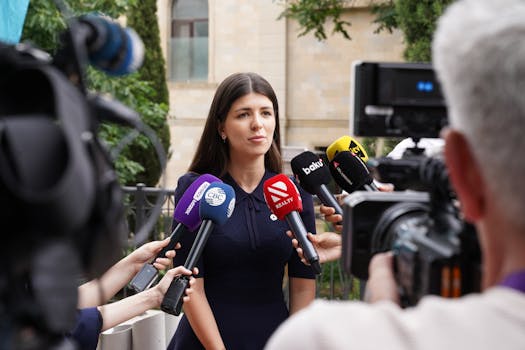
The evolving landscape of journalism in the United States is marked by increasing pressure from both governmental entities and powerful corporations. These pressures can manifest in various forms—from legal threats and surveillance to economic leverage and subtle censorship. Amidst this challenging environment, the United States Press Association (USPA) stands as a critical defender of press freedom, advocating for the rights of journalists while confronting external attempts to influence the news. Understanding how the USPA responds to such pressures is essential for appreciating its role in upholding democratic values and protecting the media’s independence.
The Nature of Pressure on Journalists in the U.S.
Journalists in the United States, despite constitutional protections, face significant risks related to government overreach and corporate influence. In 2023 alone, the U.S. Press Freedom Tracker recorded more than 120 incidents where journalists were subject to legal action, detainment, or physical threats. These pressures come in several distinct forms:
- $1: Subpoenas for source disclosure, SLAPP (Strategic Lawsuit Against Public Participation) suits, and criminal charges. - $1: Monitoring of communications, data requests, and even physical surveillance. - $1: Withdrawal of advertising, blacklisting, or leveraging media ownership to influence coverage. - $1: Blocking journalists from press briefings or public events.Corporations, in particular, have ramped up efforts to manage their public image, sometimes going so far as to exert pressure on news outlets via advertising revenue or strategic partnerships. Meanwhile, government agencies may attempt to stifle investigative reporting through legal intimidation or by restricting access to information.
USPA’s Advocacy and Legal Response Mechanisms
The United States Press Association employs a multi-pronged approach to advocating for journalists under pressure. When a reporter faces legal threats or attempts at censorship, the USPA offers direct support in several ways:
- $1: The USPA maintains a network of legal experts specializing in First Amendment and media law. In 2022, the association provided legal guidance or direct representation in over 50 cases involving journalist intimidation or lawsuits. - $1: USPA actively lobbies lawmakers to strengthen federal and state shield laws, ensuring reporters can protect their confidential sources. In recent years, their efforts contributed to the passage of three state-level shield law enhancements. - $1: When a journalist is threatened, the USPA can deploy a rapid response unit, offering immediate counsel, public statements of support, and coordination with allied organizations like the Reporters Committee for Freedom of the Press.This robust advocacy framework not only defends individual journalists but also sets legal precedents that benefit the wider press community.
Safeguarding Editorial Independence from Corporate Influence
One of the most insidious threats to journalistic freedom is the subtle manipulation of content by corporate interests. The USPA counters this through a combination of transparency initiatives, whistleblower support, and public education.
- $1: The USPA encourages member organizations to publicly disclose financial relationships and major advertisers. In 2023, over 60% of USPA-affiliated newsrooms published annual reports detailing their funding sources, a significant step up from just 35% in 2020. - $1: Recognizing that internal pressure can silence journalists, the USPA operates a confidential whistleblower hotline. This service, which processed 78 credible reports in 2022, provides safe channels for reporters to flag undue editorial influence. - $1: The association runs ongoing campaigns to educate the public about recognizing sponsored content, understanding media ownership, and supporting independent journalism.These efforts help create a culture of accountability and empower journalists to resist corporate overreach.
Data Overview: USPA’s Response Compared to Other Press Organizations
To place the USPA’s work in context, it’s helpful to compare its strategies with those of other prominent press defense organizations in the United States. The table below summarizes key metrics from 2023:
| Organization | Legal Cases Supported | Whistleblower Reports Processed | Policy Advocacy Initiatives | Rapid Response Actions |
|---|---|---|---|---|
| US Press Association (USPA) | 53 | 78 | 7 | 24 |
| Reporters Committee for Freedom of the Press (RCFP) | 62 | 21 | 10 | 18 |
| Committee to Protect Journalists (CPJ) - U.S. Operations | 31 | 15 | 5 | 20 |
| SOCIETY OF PROFESSIONAL JOURNALISTS (SPJ) | 29 | 12 | 8 | 16 |
These figures demonstrate that the USPA is especially active in processing whistleblower reports and initiating rapid response actions, highlighting its commitment to both preventative and reactive measures.
USPA’s Role in Promoting Ethical Journalism under Pressure
Beyond direct intervention, the USPA emphasizes the importance of ethical journalism even when external pressures mount. It regularly publishes updated ethical guidelines for its members and facilitates workshops to help journalists navigate conflicts of interest or coercive environments.
- $1: In 2023, USPA hosted 14 nationwide seminars focused on ethical decision-making, attracting over 1,700 participants. - $1: The association maintains a helpline where journalists can discuss ethical dilemmas confidentially, receiving advice tailored to their specific situation. - $1: By awarding the annual USPA Integrity in Journalism Award, the association spotlights reporters who remain steadfast in the face of adversity. Last year’s recipient, Maria Gómez, was honored for her investigative work exposing environmental violations despite heavy lobbying from a major corporation.These initiatives reinforce a culture of integrity and provide practical support for journalists seeking to uphold ethical standards.
Public Engagement and Building Support Networks
A critical component of the USPA’s strategy is mobilizing public support and fostering a sense of community among journalists. When a high-profile case emerges—such as a reporter being subpoenaed for confidential sources—the USPA leverages its platform to rally public opinion.
- $1: The association frequently issues press releases, organizes petitions, and coordinates social media campaigns to keep press freedom issues in the public eye. - $1: The USPA collaborates with civil liberties groups, academic institutions, and international press associations to share resources and amplify its message. - $1: Recognizing the emotional toll of facing pressure, the USPA provides access to counseling and peer support groups. In 2022, more than 140 journalists participated in USPA-facilitated support sessions.By engaging the public and building strong networks, the USPA not only protects individual journalists but also strengthens the broader ecosystem of American journalism.
Final Thoughts: The USPA’s Ongoing Commitment to Press Freedom
In an era when both governmental and corporate pressures on journalists are intensifying, the role of the United States Press Association is more vital than ever. Through legal advocacy, transparency initiatives, ethical support, and public engagement, the USPA stands at the forefront of the fight for a free and independent press.
The organization’s proactive approach—combining direct aid with systemic reforms—ensures that journalists can pursue the truth without fear of retribution. As the media landscape continues to evolve, the USPA’s unwavering commitment to defending journalistic integrity will remain a cornerstone of democratic society.