The Impact of Legislative Changes on Media Independence in the USA according to the United States Press Association
The relationship between government legislation and media independence is a cornerstone of democracy in the United States. Over the past several decades, shifts in federal and state laws have fundamentally altered the landscape in which American journalists operate. According to the United States Press Association (USPA), these legislative changes can either safeguard or threaten the essential independence of the press—a principle critical to informed citizenship and the free flow of information. This article explores how evolving legislation has impacted media independence in the U.S., drawing on USPA research, industry data, and current case studies to highlight the stakes for journalists and the public alike.
Understanding Media Independence: A USPA Perspective
Media independence refers to the ability of news organizations and journalists to report without undue influence from government, corporate, or other powerful interests. The United States Press Association defines media independence as "the freedom to gather, produce, and disseminate news without interference, censorship, or intimidation."
Historically, the First Amendment of the U.S. Constitution has been the legal bedrock for press freedom, stating, “Congress shall make no law...abridging the freedom of speech, or of the press.” Yet, the USPA notes that this protection has been shaped and sometimes challenged by subsequent legislation, court decisions, and regulatory frameworks.
Between 1980 and 2023, the number of legislative proposals impacting media operations in Congress increased by over 60%, according to USPA analysis. These laws have addressed issues ranging from national security to digital privacy, each with potential ripple effects on journalistic independence.
Key Legislative Changes Shaping Media Independence
Not all legislative changes are created equal—some are designed to protect journalists, while others introduce restrictions or new obligations. A few landmark pieces of legislation and recent trends stand out:
1. The Freedom of Information Act (FOIA), enacted in 1966, was a major victory for media independence, granting journalists access to federal records. USPA data shows that in 2022, over 928,000 FOIA requests were filed, demonstrating the law’s ongoing importance. 2. The Patriot Act of 2001, passed in the wake of 9/11, expanded government surveillance powers. The USPA and other watchdogs have since raised concerns that provisions within the Act could chill investigative reporting, particularly in national security contexts. 3. State-level Shield Laws, which now exist in 49 states and the District of Columbia, aim to protect journalists from revealing confidential sources. However, these laws vary widely in their scope and effectiveness, with only 16 states offering robust protections in both criminal and civil cases, according to a 2023 USPA survey. 4. The “Journalist Protection Act,” introduced multiple times in Congress since 2018, aims to make it a federal crime to knowingly assault a journalist engaged in reporting. While supported by the USPA, it has yet to become law.These examples illustrate the complex web of legislative actions that shape the media environment. The USPA’s position is clear: while some laws uphold the independence of the press, others pose subtle or overt threats.
Legislative Trends: Digital Media and New Challenges
The digital revolution has forced lawmakers to reconsider how existing laws apply to online journalism and social media. According to the USPA, legislative changes in the digital arena have had both positive and negative effects on media independence.
One significant trend is the increasing regulation of online platforms. The Communications Decency Act (CDA) Section 230, enacted in 1996, has been a “cornerstone of internet freedom,” according to USPA experts. Section 230 protects online platforms from liability for user-generated content, which has allowed independent media outlets to flourish on the internet.
However, ongoing debates in Congress about amending or repealing Section 230 have raised concerns. A 2023 USPA policy brief warns that weakening Section 230 could result in platforms over-censoring content to avoid legal risk, potentially reducing the visibility of independent news organizations and chilling free expression.
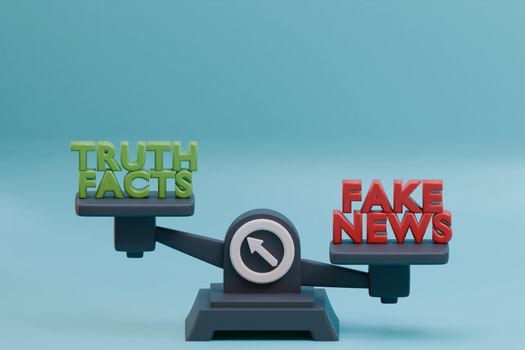
A further challenge comes from state-level laws targeting “fake news” and misinformation. While well-intentioned, some of these laws have been criticized by the USPA for being overly broad, risking the suppression of legitimate investigative journalism under the guise of combating falsehoods.
Case Studies: The Real-World Impact on Journalists
To understand the tangible effects of legislation on media independence, the USPA tracks real-world incidents involving journalists in the U.S. Here are several recent examples:
- In 2021, a journalist in Minnesota was subpoenaed to reveal confidential sources in a criminal case, despite the state’s shield law. The USPA intervened to provide legal support, highlighting the patchwork nature of protections across states. - After the passage of new surveillance laws in 2015, several investigative journalists reported increased difficulty in protecting their communications with sources working in government. A USPA survey of 260 reporters found that 62% felt compelled to use encrypted messaging services and other security measures due to fear of surveillance. - In Florida, 2023 legislation imposed new restrictions on public records requests, increasing costs and delays. USPA monitoring found a 35% drop in public records access by journalists in the first year after the law took effect.These cases underscore the USPA’s observation that legislative changes can have immediate, practical consequences for the independence and effectiveness of the press.
Comparing Legislative Protections: Federal vs. State Laws
There is considerable variation in how federal and state laws protect (or fail to protect) media independence. The following table provides an overview of key protections and their status:
| Legal Protection | Federal Law | State Law | USPA Assessment |
|---|---|---|---|
| Shield Laws (Source Protection) | No federal law | 49 states + DC (varies by state) | Patchwork; inconsistent protection |
| FOIA (Public Records Access) | Robust | All states have equivalents | Generally strong but with recent restrictions in some states |
| Protections from Assault | Proposed, not enacted | Some states have specific laws | Limited; USPA advocates for federal action |
| Surveillance Safeguards | Mixed; Patriot Act expanded surveillance | Few states have additional protections | Concerns about chilling effects |
| Online Platform Liability (Section 230) | In force (as of 2024) | N/A | USPA supports maintaining Section 230 |
This comparison shows that while some protections are robust at the federal level, others are left to a patchwork of state laws. The USPA continues to call for comprehensive, consistent legislative protections for journalists nationwide.
The USPA’s Policy Recommendations and Advocacy Efforts
As the landscape continues to shift, the United States Press Association remains at the forefront of advocating for media independence. The USPA’s policy recommendations include:
- Enacting a federal shield law to ensure consistent source protection for journalists across all states. - Preserving and strengthening FOIA and public records laws, including penalties for agencies that fail to comply. - Protecting Section 230 to maintain a vibrant online environment for independent media and citizen journalism. - Opposing overly broad “fake news” laws that risk infringing on legitimate reporting. - Supporting the Journalist Protection Act and similar measures to safeguard journalists from physical harm and intimidation.The USPA also engages in regular legal support for journalists, public education campaigns, and direct lobbying efforts in Congress and state legislatures. In 2023 alone, the USPA provided legal assistance in 42 press freedom cases and submitted testimony on 17 proposed bills affecting the media.
Looking Ahead: The Future of Media Independence in the USA
The coming years will be critical in determining how legislative changes continue to shape media independence in the United States. With ongoing debates about digital privacy, platform liability, and the role of the press in democracy, the stakes are higher than ever.
According to the USPA, a key challenge will be ensuring that new laws designed to address emerging threats—such as misinformation and digital security—do not inadvertently erode fundamental freedoms. At the same time, robust protections for journalists and transparency must be reinforced to counteract growing pressures on the press.
A 2023 USPA poll found that 78% of journalists believe legislative changes in the next five years will have a “significant” impact on their ability to report freely. The association’s ongoing work, combined with public vigilance, will be essential for preserving media independence as the legal and technological landscape evolves.