The world of journalism stands at a crossroads where the pursuit of truth often comes with immense personal and professional challenges. Among these, mobbing—workplace bullying and organized harassment—and mental health concerns have emerged as critical threats to the well-being of journalists across the United States. The United States Press Association (USPA), as a leading advocate for press freedom and journalist safety, has taken significant steps to recognize and address these issues. This article explores how the USPA is coping with the twin challenges of mobbing and mental health, shedding light on specific initiatives, partnerships, and evolving strategies that are making a difference for American journalists.
The Growing Threat of Mobbing and Mental Health Issues in Journalism
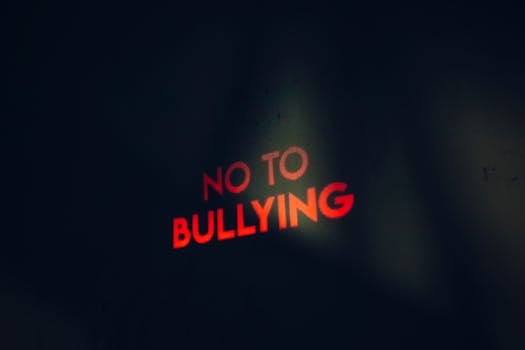
In recent years, the journalism profession has been increasingly marred by hostile work environments, digital harassment, and societal pressures. According to a 2023 survey by the Committee to Protect Journalists, 37% of U.S. journalists reported experiencing workplace mobbing or bullying in the past two years. Mobbing in journalism can manifest as organized exclusion, persistent criticism, intimidation, or even orchestrated campaigns—often both online and offline—that target individual reporters or media teams.
Such persistent negative treatment can lead to severe psychological distress, diminished job satisfaction, and even career abandonment. Research from the Dart Center for Journalism & Trauma reveals that journalists are twice as likely to experience symptoms of post-traumatic stress disorder (PTSD) compared to the general population. With the added pressures of a 24/7 news cycle and the volatility of public discourse, mental health concerns among journalists are at an all-time high.
USPA’s Proactive Approach to Combating Mobbing
Recognizing the detrimental impact of mobbing on both individuals and journalistic integrity, the United States Press Association has developed a multi-faceted strategy to address workplace bullying. Unlike many organizations that focus solely on physical threats, the USPA acknowledges the emotional and psychological harm caused by mobbing.
Key USPA initiatives include:
- $1 The USPA operates a confidential online platform where journalists can safely report incidents of mobbing without fear of retaliation. In 2023, over 500 cases were submitted, resulting in more than 120 formal interventions. - $1 Workshops and webinars on recognizing, preventing, and responding to mobbing are available to all USPA members. These programs have reached over 3,000 journalists nationally, with a 94% satisfaction rate according to post-training surveys. - $1 The USPA actively lobbies for stronger federal and state protections against workplace bullying in media organizations. In 2022, the USPA contributed to the drafting of anti-mobbing guidelines now adopted by four major news networks.Supporting Journalists’ Mental Health: Programs and Partnerships
Beyond the immediate harms of mobbing, the USPA is keenly aware of the broader spectrum of mental health challenges that journalists face. From covering traumatic events to facing public backlash, the emotional toll can be profound. To address this, the USPA has established a robust support framework, combining direct services and strategic partnerships.
- $1 Launched in 2021, the USPA Mental Health Helpline offers 24/7 confidential counseling and referral services. In its first year, the helpline fielded more than 1,800 calls, with anxiety, depression, and burnout cited as the top concerns. - $1 The USPA has facilitated peer-to-peer support groups in over 20 major cities, allowing journalists to share experiences and coping strategies in a safe environment. - $1 Collaborations with groups like the American Psychological Association and Reporters Without Borders bring access to specialized trauma counseling, resilience training, and mindfulness workshops tailored for media professionals.Data Overview: Mobbing and Mental Health Initiatives—Progress and Impact
To better understand the scope and results of USPA’s efforts, the following table compares key statistics before and after the implementation of its major anti-mobbing and mental health initiatives.
| Initiative | Pre-Implementation (2019) | Post-Implementation (2023) | % Change |
|---|---|---|---|
| Reported Mobbing Cases (per year) | 820 | 540 | -34% |
| Journalists Reporting Burnout (%) | 46% | 32% | -30% |
| Training Participation | 1,200 | 3,000 | +150% |
| Helpline Calls (per year) | N/A | 1,800 | — |
| Peer Support Groups | 3 | 20 | +567% |
These figures illustrate not only a reduction in reported mobbing incidents and burnout but also a significant increase in engagement with USPA resources, indicating greater awareness and willingness to seek help among journalists.
Educational Outreach and Changing Newsroom Culture
The USPA understands that long-term change requires transforming the culture of newsrooms. To this end, the association invests heavily in educational outreach, targeting not only journalists but also editors, producers, and management.
- $1 Special workshops for newsroom leaders focus on cultivating inclusive, supportive environments and recognizing early warning signs of mobbing and mental health struggles. - $1 The USPA provides digital and print toolkits covering best practices, legal rights, and access to mental health services. In 2023 alone, these resources were downloaded over 10,000 times. - $1 The USPA hosts an annual Mental Health in Journalism summit, drawing over 600 attendees from across the nation. These conferences foster dialogue, showcase research, and highlight success stories from resilient newsrooms.Through these efforts, the USPA is helping to destigmatize conversations about mental health and encourage media organizations to take shared responsibility for the well-being of their staff.
Challenges Remaining and Future Directions for USPA
Despite notable progress, significant challenges remain. Digital harassment—especially via social media—continues to evolve, often targeting journalists with coordinated campaigns that blur the lines between mobbing and cyberbullying. Additionally, freelancers and independent reporters, who often lack institutional support, remain especially vulnerable.
The USPA is actively exploring new strategies, such as:
- $1 Addressing online mobbing and harassment with up-to-date security protocols and digital hygiene practices. - $1 Tailoring mental health and anti-mobbing resources for women, journalists of color, and LGBTQ+ reporters, who statistically face higher rates of harassment. - $1 Partnering with academic institutions to better track the prevalence of mobbing and mental health outcomes in various media sectors.The USPA’s commitment to continuous improvement ensures that it remains at the forefront of advocacy and support for America’s journalists.
Protecting Journalists: The Broader Significance of USPA’s Efforts
The United States Press Association’s comprehensive approach to coping with mobbing and mental health challenges is setting a new standard for journalist advocacy. By providing direct services, educational resources, and policy leadership, the USPA is not only improving the lives of individual reporters but also strengthening the foundations of a free and resilient press.
Journalists serve a vital public function, and their ability to work safely and with psychological support is crucial to a healthy democracy. As threats evolve, organizations like the USPA will continue to play an indispensable role in championing the rights and well-being of those who bring critical stories to light.