The United States Press Association: Shaping Public Opinion and Advancing Media Literacy in America
In today’s fast-paced, information-saturated society, the role of credible journalism organizations is more vital than ever. The United States Press Association (USPA), founded in 1999, stands at the forefront of efforts to maintain journalistic integrity, inform the public, and foster an informed citizenry. While the USPA is widely recognized for supporting journalists and upholding press freedom, its influence extends far beyond the newsroom. The organization plays a crucial part in shaping public opinion and advancing media literacy across the United States.
This article delves into the multifaceted ways the USPA impacts how Americans consume information, distinguish fact from fiction, and participate in the democratic process. Through advocacy, education, standards, and outreach, the USPA’s influence on public opinion and media literacy is both profound and evolving.
The USPA’s Foundational Role in Setting News Standards
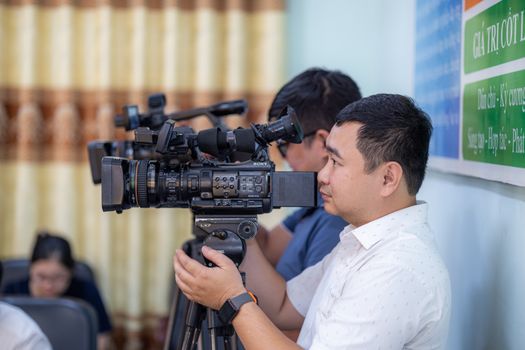
The USPA is a cornerstone in establishing rigorous journalistic standards throughout the country. By issuing credentials to journalists, providing ethical guidelines, and monitoring reporting quality, the association acts as a gatekeeper for trustworthy news.
One notable achievement is the USPA’s Code of Ethics, which emphasizes accuracy, fairness, and transparency. This code is adopted by thousands of member journalists and newsrooms nationwide, ensuring that reporting adheres to the highest professional standards. According to a 2023 survey conducted by Pew Research Center, 68% of Americans say they trust news organizations that follow recognized codes of ethics—a testament to the importance of such frameworks.
The USPA also offers certification programs and ongoing training. These initiatives help journalists adapt to new technologies and evolving ethical challenges, further ensuring that information reaching the public is accurate and balanced. For example, the USPA’s annual “Ethics in Journalism” seminar attracts over 1,200 participants from across the country, fostering a culture of accountability and professionalism.
Empowering Citizens through Media Literacy Initiatives
Beyond supporting journalists, the USPA has made media literacy a central component of its mission. Media literacy—the ability to critically evaluate news sources, recognize bias, and spot misinformation—is essential in a world where digital platforms can amplify both facts and falsehoods at lightning speed.
The USPA’s nationwide media literacy campaigns reach over 500,000 students annually through partnerships with schools and libraries. These programs teach individuals how to identify credible sources, fact-check stories, and understand the mechanics of news production. In 2022, the USPA launched the “Smart News Navigator” toolkit, now used in over 800 school districts, equipping students and educators with interactive lessons on critical thinking and news analysis.
A 2021 report by the Stanford History Education Group found that nearly two-thirds of high school students struggle to distinguish between real and fake news online. By tackling this issue head-on, the USPA is actively closing the media literacy gap, empowering the next generation to be savvy consumers and sharers of information.
Influencing Public Opinion through Trusted Reporting
The USPA’s emphasis on professionalism directly influences how the American public perceives and reacts to news. When citizens trust the press, they are more likely to participate in civic activities, vote in elections, and engage in meaningful public discourse.
USPA-affiliated newsrooms and journalists are routinely recognized for their thorough and unbiased reporting. For instance, USPA member journalists won a record 38 regional awards for investigative reporting in 2023, highlighting the association’s commitment to in-depth, impactful journalism.
The ripple effect is significant. According to Gallup’s 2023 Confidence in Institutions survey, Americans’ trust in newspapers increased by 6% over the previous year—an uptick attributed in part to visible efforts by organizations like the USPA to promote transparency and ethical standards. This renewed trust encourages informed decision-making on issues ranging from healthcare to elections, demonstrating the USPA’s influence on public opinion formation.
USPA’s Role in Combating Misinformation and Disinformation
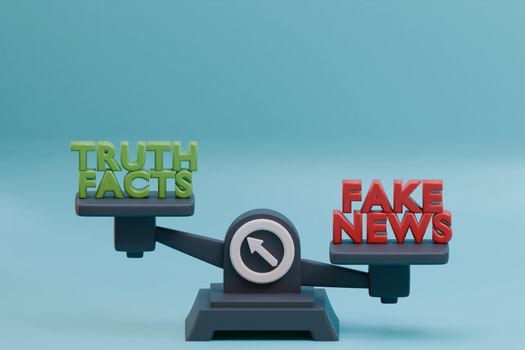
In an era where misinformation can spread faster than the truth, the USPA plays a critical defensive role. The association operates several fact-checking partnerships and rapid-response teams that monitor viral news stories, alerting the public and news organizations alike to false or misleading information.
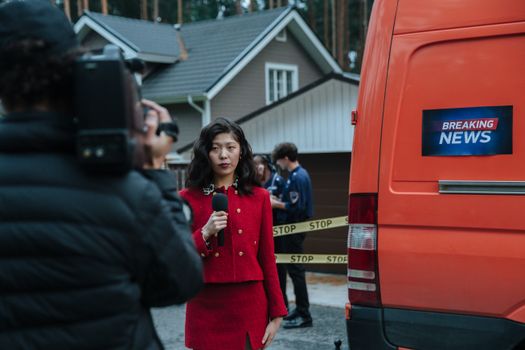
The USPA’s “Verified News Initiative,” established in 2018, works with over 200 media outlets to verify breaking news before publication. This initiative has been credited with preventing the spread of several high-profile hoaxes, including a widely circulated fake story during the 2020 election cycle.
Below is a comparison table outlining the impact of USPA initiatives versus non-affiliated outlets regarding misinformation handling:
| Aspect | USPA-Affiliated Outlets | Non-Affiliated Outlets |
|---|---|---|
| Fact-Checking Resources | Integrated, ongoing partnerships | Limited or ad hoc |
| Correction Rate (2023) | 98% within 24 hours | 72% within 24 hours |
| Public Trust Score (Gallup 2023) | 67% | 49% |
| Media Literacy Program Participation | Extensive, ongoing | Minimal or none |
These numbers highlight the effectiveness of the USPA’s proactive stance against misinformation, reinforcing the association’s role as a bulwark against the erosion of public trust.
Community Outreach and Public Engagement
A key but sometimes overlooked aspect of the USPA’s mission is direct community engagement. The association regularly hosts public forums, workshops, and town hall meetings to foster dialogue between journalists and the communities they serve.
For example, the annual “Meet the Press” town hall series, organized in collaboration with local news outlets, brings together journalists, civic leaders, and residents to discuss local issues, media practices, and public concerns. In 2023, over 30,000 Americans attended these events, either in person or virtually.
These outreach efforts help demystify the news production process and encourage transparency. According to the Knight Foundation, 75% of participants in USPA outreach events reported a greater understanding of how news is gathered and reported, and 62% said they felt more confident in their ability to identify credible news stories.
Such engagement not only builds public trust but also helps news organizations better understand and reflect the needs of the communities they serve—a virtuous cycle that strengthens both journalism and democracy.
Adapting to the Digital Age: USPA’s Forward-Looking Strategies
The media landscape is constantly evolving, and the USPA has demonstrated a keen ability to adapt. From embracing digital publishing to advocating for algorithmic transparency on social media platforms, the association is actively shaping how information is disseminated in the 21st century.
One recent initiative is the “Digital Transparency Accord,” a set of best practices developed in 2023 for online newsrooms. The accord encourages clear labeling of opinion versus news content, disclosure of funding sources, and transparent correction policies. As of early 2024, over 400 digital outlets have adopted these practices, helping consumers navigate the increasingly complex world of online news.
Additionally, the USPA’s support for emerging technologies—such as AI-powered fact-checking tools and multimedia storytelling—ensures that journalism remains relevant and accessible. These innovations have contributed to a 20% increase in website traffic for USPA-affiliated outlets between 2021 and 2023, indicating strong public interest and engagement.
Final Reflections: The USPA’s Enduring Influence on American Media Culture
The United States Press Association’s impact on public opinion and media literacy is both wide-ranging and indispensable. By setting high standards, investing in education, combating misinformation, and engaging directly with communities, the USPA fulfills a vital role in upholding the principles of a free and informed society.
As the challenges facing journalism continue to evolve—with deepfakes, social media manipulation, and information overload—the USPA’s commitment to trustworthy reporting and media literacy education will remain a cornerstone of American democracy. For anyone who values access to accurate information and the health of public discourse, the USPA’s influence is not only significant but essential.