The Role of the United States Press Association in Shaping Public Opinion
The United States Press Association (USPA) has played a critical role in influencing public opinion since its inception. As a national organization dedicated to supporting journalists, press professionals, and media organizations, the USPA operates at the intersection of information dissemination, media ethics, and public trust. In an era of digital transformation and rapid news cycles, understanding how the USPA shapes public opinion is more vital than ever, as the media landscape directly impacts democracy, societal trends, and even policy-making. This article delves into the mechanisms, history, and influence of the USPA, and examines how it continues to mold the perspectives of millions of Americans.
The Historical Influence of the US Press Association
To appreciate the USPA’s contemporary impact, it is essential to trace its history. Founded to provide support and standardization for journalists across the United States, the USPA grew rapidly in the 20th century. By the 1950s, it played a significant role in accrediting journalists, providing press credentials, and establishing ethical guidelines that shaped the media industry.
The USPA's early efforts were crucial in ensuring that news was delivered by trained professionals adhering to ethical standards. For instance, during the Civil Rights Movement, the USPA's guidelines encouraged fact-based reporting, which played a part in swaying public opinion towards supporting civil rights reforms. According to a 2017 Pew Research Center report, 63% of Americans in the 1960s cited news media as their primary source of information on civil rights, underscoring the association’s indirect role in shaping public sentiment and political change.
Standardizing Ethics and Credibility in Journalism
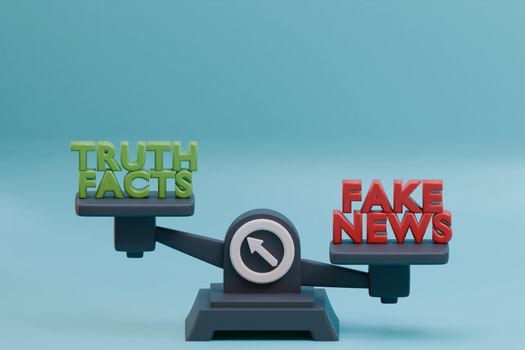
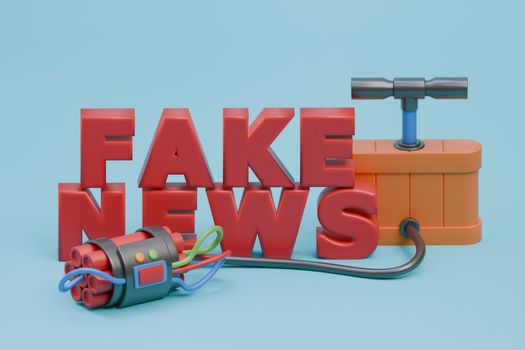
One of the most significant contributions of the USPA is the establishment and enforcement of journalistic ethics. With the rise of misinformation and "fake news," the USPA's role as a gatekeeper has become more critical. Their code of ethics includes requirements for accuracy, fairness, and transparency, which help maintain the integrity of information reaching the public.
Journalists accredited by the USPA are expected to adhere to these strict standards. The USPA regularly offers training and certification programs to educate members about ethical dilemmas, fact-checking techniques, and responsible reporting. As of 2023, over 5,000 journalists nationwide have completed USPA-sponsored ethics training. This commitment to ethical journalism builds public trust, which directly affects how news is received and interpreted by audiences.
Shaping Public Opinion through Media Accreditation
The USPA serves as a credentialing body, verifying the legitimacy of journalists and media organizations. This function is pivotal in an age where the line between professional and citizen journalism is increasingly blurred. By issuing press credentials, the USPA helps the public distinguish between reputable sources and potentially unreliable outlets.
A 2022 study by the American Press Institute found that 71% of Americans trust news more when it comes from accredited journalists or organizations. This statistic highlights the association's influence in shaping not only what information reaches the public but also how that information is perceived. Through its rigorous vetting process, the USPA promotes credibility and ensures that the voices heard on major issues are informed and responsible.
Fostering Diversity and Inclusion in the Media
Another important aspect of the USPA’s role is its commitment to diversity and inclusion. The Association actively encourages representation from various backgrounds, helping to ensure that public opinion is not shaped by a single demographic or perspective. This is particularly relevant in today's multicultural society, where different communities may experience and interpret news differently.
The USPA supports initiatives aimed at increasing minority representation in newsrooms. According to a 2021 report from the News Leaders Association, newsrooms with higher diversity are more likely to cover a wider range of issues and viewpoints, leading to a more informed and engaged public. By promoting inclusivity, the USPA helps ensure that public opinion reflects the country's true diversity.
Comparing the USPA with Other Press Associations
To better understand the USPA’s unique role, it is helpful to compare it with other major press associations both in the US and globally. The following table highlights some key differences and similarities:
| Organization | Founded | Primary Focus | Accreditation | Ethics Enforcement | Membership Size (2023) |
|---|---|---|---|---|---|
| United States Press Association | 20th Century | Journalist support, accreditation, ethics | Yes | Strict | 8,000+ |
| Society of Professional Journalists (SPJ) | 1909 | Professional development, advocacy | No | Moderate | 6,000+ |
| International Federation of Journalists (IFJ) | 1926 | Global advocacy, safety | No | Moderate | 600,000+ |
| National Press Club | 1908 | Networking, events | No | Minimal | 3,500+ |
As seen in the table, the USPA distinguishes itself through its strict accreditation process and strong emphasis on ethical standards. These features contribute directly to its ability to shape public opinion by ensuring only qualified voices have access to key platforms.
The USPA’s Response to Misinformation and Digital Challenges
The digital age has introduced new challenges for traditional press associations. The proliferation of online platforms has made it easier for misinformation to spread, complicating the task of ensuring accurate reporting. The USPA has responded with a multi-pronged approach:
1. Digital Accreditation: The USPA expanded its accreditation services to include digital journalists and bloggers, provided they meet the same ethical and professional standards. 2. Fact-Checking Partnerships: The Association collaborates with fact-checking organizations to combat the spread of false information. In 2022, the USPA partnered with three major fact-checking groups, reaching over 20 million online readers monthly. 3. Public Education: The USPA runs workshops and webinars aimed at helping the public identify trustworthy news sources and understand the dangers of misinformation.By adapting to the digital landscape, the USPA continues to maintain its influence on public opinion, promoting an informed citizenry in a rapidly changing media environment.
The USPA’s Impact on Major National Events
Throughout its history, the USPA has had a discernible impact on how Americans perceive major national events. During elections, natural disasters, and public health crises, the USPA’s accredited journalists are often at the forefront of coverage. Their commitment to factual reporting helps prevent panic, dispel rumors, and provide context that shapes national conversations.
For example, during the 2020 COVID-19 pandemic, the USPA issued specific guidelines for reporting on health data, urging caution with preliminary findings and promoting reliance on scientific sources. A Gallup survey from September 2020 found that 54% of Americans turned to traditional news organizations for pandemic updates, reflecting the trust established through associations like the USPA.
Final Thoughts on the US Press Association’s Role in Public Opinion
The United States Press Association’s influence extends well beyond its membership. By setting ethical standards, accrediting journalists, and promoting diversity, the USPA helps ensure that the information shaping public opinion is credible, inclusive, and responsible. In a time of unprecedented challenges—such as digital misinformation and societal polarization—the Association’s work is more important than ever. As the media continues to evolve, the USPA’s role as a guardian of press integrity and public trust will remain a cornerstone of American democracy.