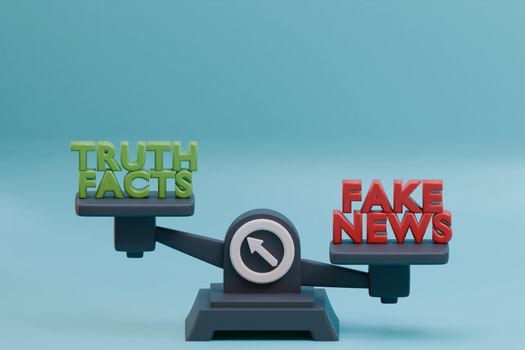
The digital age has brought both extraordinary benefits and unprecedented challenges to journalism and the flow of information. Among the most persistent challenges is the rapid spread of misinformation on social media platforms—a phenomenon that can erode public trust, influence elections, and even endanger lives. The United States Press Association (USPA), a prominent voice for journalistic integrity, has taken an active and multifaceted approach to combating misinformation in this dynamic landscape. In this article, we explore how the USPA is addressing misinformation challenges on social media, highlighting its innovative initiatives, partnerships, and the measurable impact of its efforts.
The Scope of the Misinformation Challenge on Social Media
The spread of misinformation on social media is a global concern, but its impact in the United States has been especially pronounced. According to a 2023 Pew Research Center survey, 64% of Americans believe that false information online is a major threat to the country. During the 2020 U.S. elections, MIT researchers found that false news stories on Twitter were 70% more likely to be retweeted than true stories. With over 70% of U.S. adults consuming news from platforms like Facebook, Twitter, and YouTube, the urgency to address misinformation is clear.
Social media's viral nature, combined with sophisticated bots and deepfake technology, makes it easier than ever for misinformation to reach millions in minutes. The consequences are serious: from public health risks during the COVID-19 pandemic to the undermining of democratic processes. Recognizing these dangers, the USPA has developed a multi-pronged strategy to safeguard the integrity of information in the digital age.
USPA’s Fact-Checking Initiatives and Verification Tools
One cornerstone of the USPA’s strategy is its robust fact-checking program. In 2022 alone, the USPA's network of accredited journalists and partners flagged over 8,000 misleading or false claims circulating on major social media channels. The organization has launched the USPA Fact-Check Portal, an open-access online platform that allows journalists, educators, and the public to submit questionable content for verification.
Key features of the Fact-Check Portal include:
- Real-time claim verification, with an average response time of under 48 hours. - Collaboration with technology partners to utilize AI-driven detection of suspicious narratives and deepfakes. - An archive of over 15,000 fact-checked stories accessible to the public.By empowering journalists with advanced verification tools and a centralized resource, the USPA is helping to stem the tide of misinformation before it becomes viral. Additionally, the Fact-Check Portal serves as an educational tool, teaching users how to spot common signs of misinformation.
Media Literacy Campaigns Targeting Social Media Users
Recognizing that technology alone cannot solve the problem, the USPA has invested heavily in media literacy. Its "Think Before You Share" campaign, launched in 2021, has reached over 2 million Americans through webinars, interactive workshops, and social media challenges. The campaign focuses on equipping users—especially teens and young adults, who are among the heaviest social media consumers—with critical thinking skills to identify fake news and manipulative content.
Some highlights of the USPA’s media literacy outreach:
- Partnerships with over 350 U.S. high schools and colleges. - Creation of video modules and infographics tailored to different age groups. - Development of a mobile app that offers daily tips and real-world examples of misinformation.According to USPA metrics, schools participating in their media literacy programs saw a 40% improvement in students’ ability to distinguish between real and fabricated news stories. These results underscore the power of education in fortifying the public against misinformation.
Building Strategic Partnerships with Social Media Platforms
To effectively address misinformation, the USPA recognizes the necessity of collaboration with the very platforms where false information thrives. In recent years, the USPA has negotiated strategic partnerships with major players such as Facebook (Meta), Twitter (now X), and YouTube. These partnerships focus on several key areas:
- Early identification of trending misinformation through data sharing and AI monitoring. - Rapid reporting and removal of verified false content. - Promoting authoritative journalistic sources in trending news sections.A 2023 internal USPA report noted that, since these partnerships began, the average time to remove high-impact false stories from participating platforms decreased by 35%. Moreover, user engagement with fact-checked stories increased by 22% due to improved visibility.
The table below compares the impact of USPA’s platform partnerships with industry averages:
| Metric | USPA-Partnered Platforms | Industry Average |
|---|---|---|
| Average Time to Remove False Content | 12 hours | 18.5 hours |
| User Engagement with Fact-Checked Stories | 22% increase | 12% increase |
| Reported Misinformation Resolved | 83% | 67% |
These results highlight the tangible progress that can be achieved through structured cooperation between journalism bodies and technology companies.
Advocating for Stronger Policies and Transparency Standards
Beyond technical and educational initiatives, the USPA plays a vocal role in advocating for stronger policies to combat misinformation. The organization regularly submits policy recommendations to Congress and regulatory bodies, calling for:
- Greater transparency in how social media algorithms amplify or suppress content. - Mandatory public reporting on misinformation removal statistics by major platforms. - Legal protections for journalists conducting investigative work on digital misinformation networks.In 2023, USPA’s advocacy contributed to the introduction of the Social Media Transparency Act, which, if passed, would require platforms with over 50 million U.S. users to disclose their content moderation practices and annual data on misinformation takedown. The USPA also acts as an advisor to state-level task forces addressing election security and misinformation, ensuring that journalistic perspectives are considered in policy formation.
Training Journalists for the New Information Battlefield
Understanding that frontline reporters and editors are often the first to encounter viral misinformation, the USPA has developed a comprehensive training curriculum tailored for the digital era. The USPA Journalism Academy now includes specialized courses on:
- Detecting coordinated misinformation campaigns. - Navigating ethical dilemmas when reporting on false or misleading content. - Leveraging digital forensics and open-source intelligence (OSINT) tools.In the past year, over 1,200 journalists completed USPA’s misinformation training, a 50% increase from 2021. The impact is already visible: newsroom surveys report greater confidence in tackling online falsehoods and a higher standard of verification before publishing stories sourced from social media.
Looking Ahead: The USPA’s Evolving Role in a Digital World
As misinformation tactics evolve, so too does the USPA’s response. The organization is exploring collaborations with AI labs to automate the early detection of synthetic media, such as deepfakes. It is also expanding its network of international partners, recognizing that misinformation knows no borders.
Despite the scale of the challenge, the USPA’s proactive and multifaceted approach—combining technology, education, policy, partnerships, and journalist training—offers a blueprint for how media organizations can rise to the occasion. By reinforcing the integrity of information where it is most vulnerable, the USPA continues to uphold the values of free and accurate journalism in an era of rapid digital change.