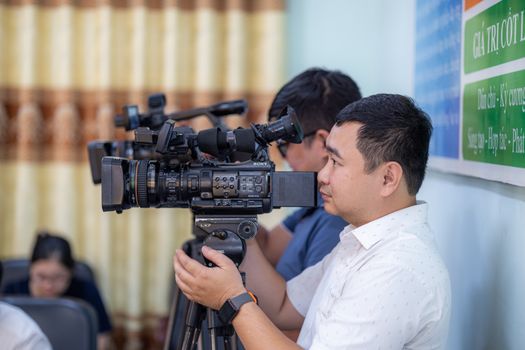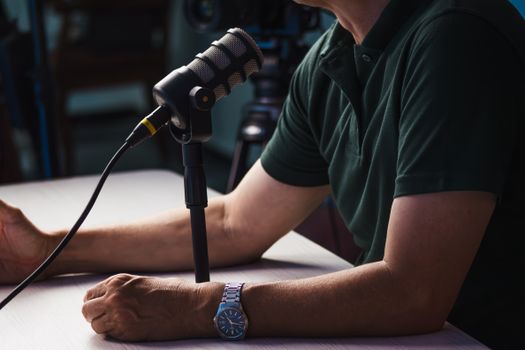
The world of journalism is evolving at a rapid pace, propelled by technological advances and changing audience habits. More than ever, journalists are expected to be versatile storytellers, comfortable working across print, video, audio, and digital platforms. This transformation—known as multimedia journalism—requires both new skills and an updated mindset. In this landscape, the United States Press Association (USPA) stands out as a vital resource for journalists striving to make the leap into multimedia reporting. Through targeted training, practical tools, networking, and advocacy, the USPA is helping journalists across America embrace the future of their profession with confidence.
The Changing Face of Journalism: Why Multimedia Skills Matter
Traditional journalism, once dominated by print and static images, is being reshaped by digital technologies. According to the Pew Research Center, 86% of Americans now get at least some of their news from digital devices, while only 16% rely primarily on print. Meanwhile, multimedia content—such as videos, podcasts, interactive graphics, and social media feeds—has become a staple of modern news consumption.
This shift isn’t just about new platforms; it’s about storytelling that is richer, more engaging, and more accessible to diverse audiences. Multimedia journalism allows reporters to present information in ways that suit different learning styles and to reach wider audiences. For journalists, mastering these formats isn’t optional—it’s essential for career longevity and relevance.
The transition, however, can be daunting. Journalists trained in traditional methods may lack experience with video editing, podcast production, social media algorithms, or live-streaming events. That’s where organizations like the United States Press Association come in, providing guidance, resources, and a supportive community for professionals at every stage of their multimedia journey.
USPA’s Multimedia Training: Bridging the Skills Gap
Recognizing the urgent need for multimedia proficiency, the USPA has developed a comprehensive array of educational resources and hands-on training programs. These initiatives are designed to help both seasoned reporters and newcomers acquire the skills needed to excel in modern journalism.
Key offerings include:
- $1 The USPA regularly hosts multimedia journalism workshops, covering topics like video production, audio storytelling, mobile reporting, and digital photography. In 2023 alone, over 1,200 journalists participated in USPA-led training sessions nationwide. - $1 Through its digital learning platform, the USPA offers self-paced courses on essential multimedia tools such as Adobe Premiere, Audacity, Canva, and WordPress. - $1 The association’s Multimedia Journalism Certification validates proficiency in cross-platform storytelling—a credential that is increasingly valued by employers in the media industry.These educational opportunities not only teach technical skills but also foster innovation and creativity in reporting. USPA instructors are often industry veterans, including award-winning multimedia journalists, ensuring that training is rooted in real-world experience.
Tools and Resources: Empowering Journalists to Create
Learning new skills is only part of the transition; having access to the right tools is equally important. The USPA recognizes this and provides its members with a suite of resources to support multimedia reporting.
Some of the most popular USPA-provided resources include:
- $1 Members can borrow cameras, audio recorders, lighting kits, and even drones for field assignments, reducing the financial barriers to multimedia experimentation. - $1 The USPA maintains a collection of templates for video scripts, podcast outlines, and digital storyboards, helping journalists structure their work efficiently. - $1 USPA press credentials are widely recognized and facilitate access to events where multimedia coverage is essential.Additionally, the USPA’s online newsroom platform allows members to publish and share multimedia stories, fostering collaboration and peer feedback. In 2023, over 2,500 multimedia stories were published by USPA-affiliated journalists using these tools.
Networking, Mentorship, and Peer Support in Multimedia Journalism
Transitioning to multimedia journalism can be challenging, especially for those working independently or in small newsrooms. The USPA addresses this by facilitating a strong network of professionals who can share knowledge, offer mentorship, and provide feedback.
- $1 The USPA pairs experienced multimedia journalists with those new to the field, offering one-on-one guidance. In a recent survey, 78% of mentees said the mentorship program boosted their confidence in multimedia reporting. - $1 Regularly scheduled feedback sessions allow journalists to present their multimedia work and receive constructive input from peers and experts. - $1 This flagship event brings together journalists, editors, technologists, and educators to discuss the latest trends, tools, and techniques in multimedia storytelling.Networking opportunities like these are invaluable for learning best practices, staying updated on industry changes, and building a supportive professional community.
Advocacy and Industry Recognition: Raising the Profile of Multimedia Journalists
While skills and tools are crucial, recognition and advocacy also play a significant role in helping journalists succeed in multimedia roles. The USPA actively promotes the value of multimedia journalism in newsrooms and the wider public sphere.
- $1 The association offers annual awards for excellence in multimedia journalism, shining a spotlight on innovative and impactful work. In 2023, USPA awarded $50,000 in grants to support multimedia reporting projects. - $1 USPA collaborates with media organizations, universities, and tech companies to advance multimedia journalism standards and expand professional opportunities for its members. - $1 The association lobbies for press freedom and digital access, ensuring that multimedia journalists are protected and empowered in their work.Through these efforts, the USPA not only supports individual journalists but also advances the entire field of multimedia journalism.
Comparing USPA Multimedia Support to Other Press Associations
How does the USPA’s approach to multimedia journalism compare to other major press associations? The following table provides a snapshot of key offerings:
| Feature | USPA | Society of Professional Journalists (SPJ) | National Press Photographers Association (NPPA) |
|---|---|---|---|
| Multimedia Training Workshops | Yes (nationwide, 1,200+ participants in 2023) | Limited (mostly webinars) | Yes (focused on visual media) |
| Equipment Lending Program | Yes | No | No |
| Certification in Multimedia Journalism | Yes | No | No |
| Mentorship for Multimedia Transition | Yes | General mentorship only | No formal program |
| Online Multimedia Resource Library | Yes | Some resources | Yes (for photo/video) |
As shown, the USPA’s offerings are among the most comprehensive for journalists seeking to transition to or deepen their multimedia skills.
Success Stories: Journalists Who Made the Multimedia Leap with USPA
Real-world examples highlight the impact of USPA’s support. Consider the case of Maria Lopez, a print journalist from Texas who, with the help of USPA training and equipment, launched a bilingual podcast series about local government. Her show now averages 5,000 downloads per episode and has been recognized by the USPA’s annual multimedia awards.
Another example is Tom Nguyen, a photographer who expanded into video journalism through USPA workshops. His mini-documentary on environmental issues was featured by several national outlets, opening new career pathways.
According to a 2023 USPA member survey, 84% of those who participated in multimedia training reported increased job opportunities, and 67% said they felt more confident pitching stories to digital-first platforms.
The Future of Journalism: USPA’s Role in Continued Multimedia Innovation
The media landscape will continue to evolve, and so will the expectations placed on journalists. The United States Press Association is committed to staying ahead of these changes, continually updating its training, resources, and advocacy to meet the needs of a multimedia-driven world.
As more newsrooms embrace cross-platform storytelling and as audiences demand richer, more interactive content, the USPA’s role as a champion of multimedia journalism will only grow in importance. By empowering journalists with skills, tools, and community support, the association ensures that American journalism remains vibrant, relevant, and resilient.