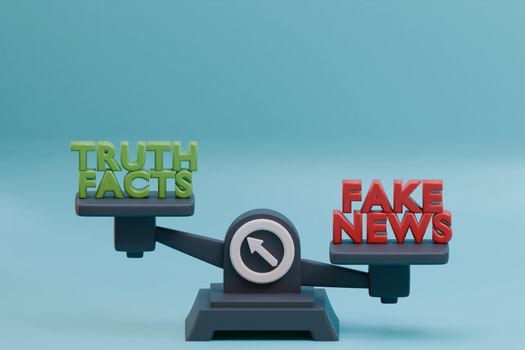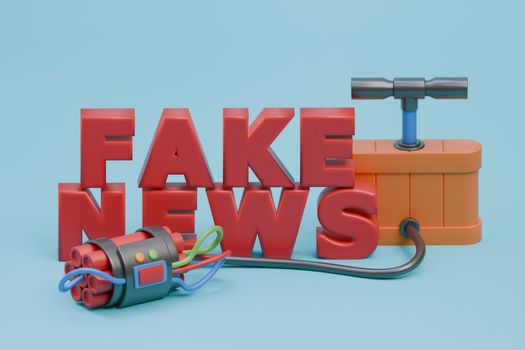
The fight against misinformation is one of the defining challenges of the modern media landscape. With the rapid spread of false information online and the growing distrust in mainstream news, organizations dedicated to journalistic integrity have become more important than ever. The United States Press Association (USPA) stands at the heart of this battle, leveraging its history, resources, and influence to counteract the spread of misinformation and restore public trust in reliable journalism. This article explores the multifaceted role of the USPA in combating misinformation, examining its initiatives, partnerships, and impact on the broader media ecosystem.
Understanding the Misinformation Crisis in America
The proliferation of misinformation is not a new phenomenon, but the scale and speed at which it now spreads is unprecedented. According to the Pew Research Center, 64% of Americans say fabricated news stories cause a great deal of confusion about the basic facts of current events. During the COVID-19 pandemic, the World Health Organization even coined the term "infodemic" to describe the overwhelming surge of false information.
Misinformation can take many forms—viral hoaxes, manipulated images, deepfakes, or misleading headlines—and it can be propagated intentionally (disinformation) or unintentionally. The consequences are far-reaching: shaping public opinion, influencing elections, undermining public health efforts, and eroding trust in democratic institutions.
In this context, the USPA’s mission to uphold the highest standards of journalism and public information becomes a critical counterbalance. But what exactly does the USPA do to tackle misinformation, and how does it differ from other organizations?
The USPA’s Historical Commitment to Accurate Reporting
Founded in 1999, the United States Press Association quickly established itself as a national leader in supporting journalists and upholding press freedom. From its inception, the USPA emphasized the importance of accuracy and verification in reporting—a stance that has only grown more significant as misinformation has become a central challenge.
The USPA's historical archives reveal that as early as 2003, the association was issuing guidelines and best practices for fact-checking and responsible reporting. Over the past two decades, these efforts have scaled up dramatically, with USPA now offering:
- Accredited training programs on fact-checking and verification - Regular updates to ethical codes to address digital-era challenges - Workshops and webinars on detecting manipulated contentThese efforts are not only aimed at professional journalists but also at freelance reporters, student journalists, and citizen media contributors—a reflection of the increasingly decentralized nature of news production.
Key Initiatives: Fact-Checking, Verification, and Media Literacy
One of the USPA’s most direct approaches in combating misinformation is through fact-checking and verification initiatives. In 2022 alone, USPA-supported fact-checking teams reviewed over 10,000 news items that were flagged for potential inaccuracies by their member network.
Key USPA initiatives include:
1. $1: A digital badge and accreditation system for articles and outlets that meet rigorous fact-checking standards. In 2023, over 150 online publications were awarded the USPA Verified badge. 2. $1: A mentorship and training initiative for early-career journalists, which has graduated more than 300 fellows since 2018. 3. $1: Launched in collaboration with the National Association for Media Literacy Education, this campaign reaches over 500 schools annually, teaching students how to critically evaluate news sources and recognize misinformation.These programs are supported by a network of more than 5,000 USPA members nationwide, who act as local ambassadors for accurate reporting.
Collaboration and Technology: Expanding the Reach
Recognizing that misinformation knows no borders, the USPA has forged partnerships with leading technology companies, universities, and international press associations. These collaborations are crucial for sharing best practices, developing new tools, and staying ahead of rapidly evolving misinformation tactics.
Some notable collaborations include:
- $1: In 2021, USPA partnered with a leading AI company to develop a browser extension that flags suspicious news stories and provides real-time fact-checking resources. This tool now has over 200,000 active users. - $1: USPA funds academic research into the psychology of misinformation and the effectiveness of fact-checking interventions, helping to shape evidence-based strategies for public education. - $1: As a founding member of the International Federation of Press Associations’ Anti-Misinformation Task Force, USPA shares intelligence and strategies with counterparts in Europe, Asia, and Latin America.The integration of AI-driven verification tools and cross-border collaboration allows the USPA to respond quickly to new threats and ensure that its members remain at the forefront of combating misinformation.
Comparing USPA’s Anti-Misinformation Role to Other Media Organizations
The USPA is not the only organization tackling misinformation, but its approach is unique in several key respects. The table below highlights how USPA’s strategies compare to other major U.S.-based media organizations:
| Organization | Scope | Main Activities | Annual Fact-Checking Output (2023) | Focus on Media Literacy |
|---|---|---|---|---|
| US Press Association (USPA) | National | Fact-checking, media literacy, tech partnerships, journalist training | 10,000+ articles | Yes (500+ schools/year) |
| Poynter Institute | National/International | Fact-checking (PolitiFact), journalist training | 5,000+ articles | Limited |
| News Literacy Project | National | Media literacy for students and educators | N/A (focus is education) | Yes (3,800+ educators) |
| Snopes | International | Fact-checking, myth debunking | 7,000+ articles | No |
This comparison illustrates the USPA’s unique dual commitment: not only verifying news but also empowering citizens to become more discerning consumers of information.
Real-World Impact: Case Studies and Measurable Outcomes
The effectiveness of the USPA’s anti-misinformation activities can be seen in several high-profile case studies:
- $1: During the contentious 2020 U.S. presidential election, USPA’s rapid-response fact-checking team debunked 1,200 viral rumors, contributing to a broader coalition effort that reached an estimated 15 million Americans with verified information. - $1: In partnership with public health agencies, USPA produced a multimedia campaign correcting vaccine myths, which was distributed to more than 300 local news outlets and viewed over 5 million times on social media platforms. - $1: In 2023, USPA’s expert panels assisted over 80 local newsrooms with training on identifying and reporting misinformation, resulting in a 35% decrease in the spread of hoaxes within their coverage areas, according to internal tracking.These examples underscore how USPA’s programs translate into real-world improvements in public understanding and information quality.
Challenges and the Future of Anti-Misinformation Efforts
Despite its achievements, the USPA faces significant challenges in the fight against misinformation. The sheer volume of false information, the sophistication of deepfakes, and the global reach of digital platforms all pose ongoing threats. Additionally, political polarization and declining trust in institutions can make it harder for fact-based corrections to gain traction.
Looking ahead, the USPA is investing in:
- $1: To automate and scale fact-checking efforts - $1: With a goal to reach 1,000 schools per year by 2025 - $1: Engaging local influencers and trusted community leaders to amplify accurate informationThe USPA’s adaptability and commitment to innovation position it as a central figure in the ongoing effort to safeguard public discourse.
Final Thoughts on the USPA's Battle Against Misinformation
The United States Press Association plays a pivotal role in combating misinformation across the American media landscape. Through a mix of rigorous fact-checking, innovative partnerships, comprehensive media literacy efforts, and a deep-rooted commitment to journalistic integrity, the USPA sets a national standard for truth in reporting. While the battle against misinformation will continue to evolve, the association’s leadership ensures that journalists and the public alike have the tools and knowledge needed to navigate the information age responsibly.